


Planning a Tanzania Safari? Read This First
What You Need to Know Before Planning a Tanzania Safari
A Tanzania safari can easily become the greatest trip of your life — or a stressful, rushed experience that leaves you wondering why everyone else loved it more than you did. The difference usually comes down to planning. After years of helping travelers explore Tanzania through Tanzania Safari Experience, we’ve noticed one thing: most people arrive with the wrong expectations, the wrong timing, or the wrong itinerary.
The truth is simple. Tanzania is not just “one safari.” The experience changes completely depending on the season, the parks you choose, how long you stay, and even where you sleep at night.
Our team lives here. We drive these roads every week. We know which river crossing area suddenly becomes crowded, which lodge has the best sunset over the Serengeti plains, and why some travelers waste half their safari sitting in a vehicle driving between parks instead of seeing animals.
This guide will help you avoid those mistakes.
RELATED ARTICLE: Is Tanzania expensive to visit ?
Why Tanzania Is Different From Other Safari Destinations
Tanzania offers larger wildlife areas, fewer fences, more natural animal movement, and some of Africa’s most dramatic safari landscapes, including Serengeti, Ngorongoro Crater, and Zanzibar beach combinations.
Tanzania feels wild in the best possible way.
When guests arrive for the first time, many are surprised by how untouched the landscapes feel. You can drive for hours in Serengeti without seeing buildings, cities, or highways. Just open plains, acacia trees, elephants crossing the road, and lions sleeping under bushes.
What makes Tanzania special is the variety:
| Experience | Where |
|---|---|
| Big Five safari | Serengeti & Ngorongoro |
| River crossings | Northern Serengeti |
| Calving season | Ndutu |
| Tree-climbing lions | Lake Manyara |
| Giant elephant herds | Tarangire |
| Walking safari | Arusha National Park |
| Beach holiday | Zanzibar |
| Mountain trekking | Kilimanjaro |
Most people think safari means driving around randomly looking for animals. That is not how a proper Tanzania safari works.
A real safari here is about understanding movement, weather, migration patterns, and park logistics.
For example:
- In July and August, many travelers want to see river crossings.
- But if you stay in central Serengeti during that period, you may miss the best action completely.
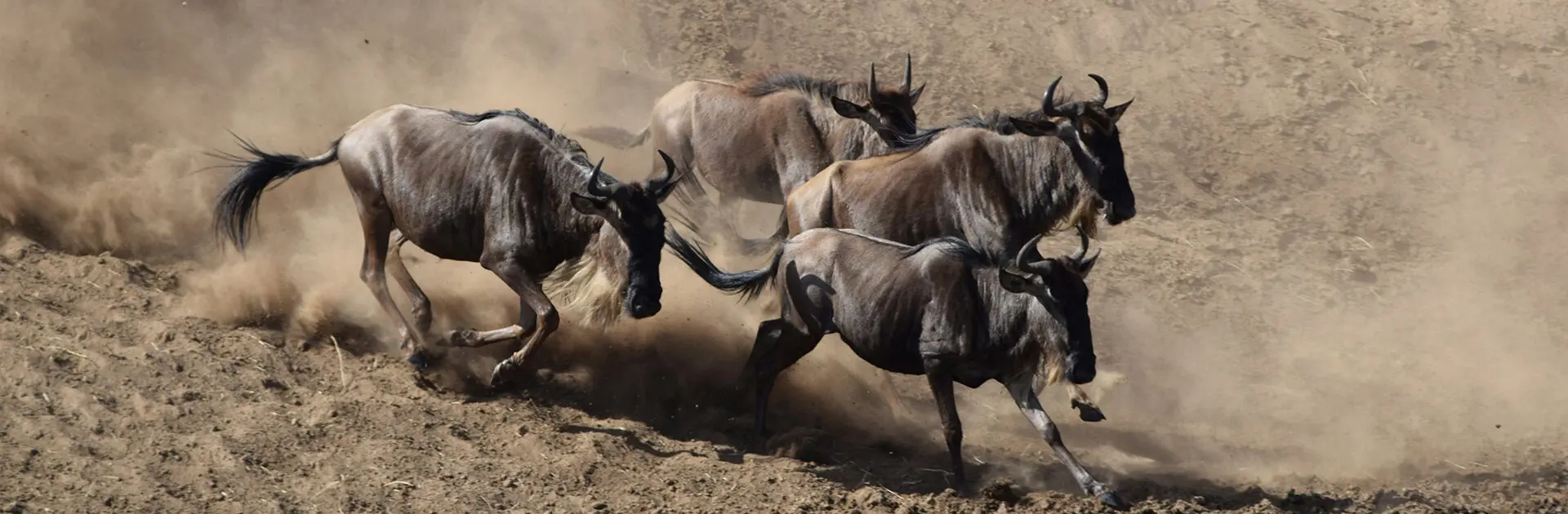
- Meanwhile, in January and February, Ndutu becomes incredible because wildebeest give birth there.
Timing changes everything.
Our Local Tip
One thing we often tell travelers is not to follow migration maps too strictly. Wildebeest move with rain patterns, and nature does not follow calendar dates perfectly. Flexibility always creates a better safari experience.
The Biggest Mistake Travelers Make
The biggest safari mistake is trying to visit too many parks too quickly, leading to exhausting road transfers and less wildlife viewing time.
We see this constantly.
Someone books:
- Tarangire
- Ngorongoro
- Serengeti
- Lake Manyara
- Zanzibar
…all in 4 days.
That is not a safari. That is a marathon.
Tanzania is bigger than many people realize. Serengeti alone is massive. Driving from Arusha to Serengeti takes around 8 hours depending on conditions and stops.
One of our strongest recommendations at Tanzania Safari Experience is this:
Fewer parks + more time inside them = better safari.
If you only have:
- 2 days → Tarangire + Ngorongoro
- 4–6 days → Add Serengeti
- 7+ days → Slow down and enjoy deeper experiences
The travelers who enjoy Tanzania most are usually the ones who allow enough time to relax.
When Is the Best Time to Visit Tanzania?
Tanzania is a year-round safari destination, but different seasons are better for river crossings, calving season, green landscapes, or fewer crowds.
There is no single “perfect month.”
That idea is misleading.
Instead, think about what YOU want to experience.
Best Time Based on Safari Experience
| Month | Best For |
|---|---|
| Jan – March | Calving season in Ndutu |
| April – May | Green season & lower prices |
| June – October | Dry season & classic safari |
| July – August | Mara River crossings |
| November | Short rains & dramatic skies |
| December | Excellent wildlife + holidays |
Our Local Tip
Many travelers avoid April and May because of rain stories they read online. Honestly, that advice is often exaggerated.
Yes, there is rain. But there are also:
- Beautiful green landscapes
- Fewer vehicles
- Better photography light
- Lower accommodation prices
Some professional photographers specifically request this season because Tanzania looks more alive.
How Many Days Do You Actually Need?
A proper Tanzania safari usually needs at least 5–7 days for a relaxed experience covering Serengeti, Ngorongoro, and Tarangire without feeling rushed.
Here is the reality most websites do not explain clearly:
You lose time moving between parks.
So a “7-day safari” does not mean 7 full wildlife days.
Recommended Safari Durations
| Days | Recommended Experience |
|---|---|
| 2 Days | Tarangire + Ngorongoro |
| 3 Days | Add Lake Manyara |
| 4–5 Days | Short Serengeti safari |
| 6–7 Days | Balanced Northern Circuit |
| 8–10 Days | Slow luxury safari |
| 12+ Days | Safari + Zanzibar combo |
If you want Serengeti properly, we normally recommend at least:
- 2 nights minimum
- 3 nights ideal
Why?
Because Serengeti is huge. Wildlife movement changes daily.
One game drive can completely change your experience.
Choosing Between Private and Group Safari
Private safaris offer flexibility, comfort, and custom pacing, while group safaris are cheaper but follow fixed schedules and shared vehicles.
This is where many travelers get confused.
Private Safari
Best for:
- Couples
- Honeymoon
- Families
- Photography
- Relaxed travel
Advantages:
- Flexible timing
- Your own vehicle
- Better wildlife positioning
- Easier lodge choices
- More comfortable pace
Group Safari
Best for:
- Solo travelers
- Backpackers
- Budget-conscious travelers
Limitations:
- Fixed itineraries
- Shared vehicle
- Less flexibility
- Limited accommodation choices
Something Most People Do Not Realize
Group safaris usually cannot easily support fly-out logistics from Serengeti.
Why?
Because the vehicle continues with the rest of the group to another park.
This is why many travelers eventually switch to affordable private safaris after understanding how the logistics work.
Road Safari vs. Fly-In Safari: The Choice That Changes Everything
This is one of the most important decisions we will help you make. In Tanzania, the distance between Arusha and the heart of the Serengeti is roughly 300 kilometers, but “African kilometers” feel different—the roads are bumpy, the dust is real, and the speed limits are strict.
The Quick Fact: A road safari offers a cultural journey through local villages and diverse landscapes at a lower cost, while a fly-in safari uses light aircraft to skip long travel days, landing you directly in the heart of the action.
The Comparison Box: How Do They Match Up?
| Feature | Road Safari (The Classic) | Fly-In Safari (The Sky Path) |
| Pace | Slower; involves 6–8 hour drives. | Fast; 50-minute flights between parks. |
| Cost | Budget-friendly; shared vehicle costs. | Higher; bush flights add to the price. |
| Views | Local markets, Maasai bomas, and hills. | Incredible aerial views of the Rift Valley. |
| Comfort | Can be “bumpy” (The African Massage). | Smooth and relaxing; saves your energy. |
| Luggage | More flexible with hard suitcases. | Strict 15kg limit in soft-sided bags. |
The Road Safari: For the Soul of the Journey
If you want to see the real Tanzania, you go by road. You’ll pass through Mto wa Mbu, see Maasai herding their cattle, and watch the landscape shift from lush green forests to the golden savanna.
-
Why we love it: It feels like a true expedition. Our team knows the best spots to stop for a local coffee or a photo of a baobab tree that isn’t inside a park.
-
The Reality Check: You have to be okay with long days in the car. It is a lot of sitting, and by the time you reach the Serengeti gate, you might be a bit tired.
The Fly-In Safari: For Maximizing the Magic
Imagine leaving Arusha after breakfast and being at a lodge in the Central Serengeti in time for a hot lunch and an afternoon game drive. You skip the “highway” entirely.
-
Why we love it: Time is the most valuable thing you have on holiday. Flying gives you an extra 6 to 8 hours of actual wildlife viewing instead of staring at the back of a truck on the main road.
-
The Reality Check: These tiny planes have very strict luggage rules because of weight limits. You’ll need to pack light in a soft duffel bag.
 Tanzania Tours3 Nights
Tanzania Itinerary 4 Days
 Zanzibar3 Nights
 Tanzania Day Trips
Ngorongoro Crater Day Trip itinerary
 Zanzibar6 Nights
Our Team’s Honest Recommendation
We often tell our guests: “Don’t spend your whole holiday looking at the tarmac.”
If you have a week or less, flying into the Serengeti is a game-changer. In 2026, we are seeing more guests choose a “hybrid” option: drive out through Lake Manyara and Ngorongoro to see the culture, then fly back to Arusha or Zanzibar from the Serengeti. It’s the best of both worlds—you get the scenery without the exhaustion of driving the same long road twice.
At Tanzania Safari Experience, we want you to be watching a pride of lions before lunch, not sitting in traffic behind a transit bus.
Understanding Safari Costs Without Confusion
Tanzania safari prices depend heavily on accommodation level, park fees, season, transport method, and whether lodges are inside or outside national parks.
This is where many travelers become frustrated because prices online vary wildly.
One company says:
- $250 per day
Another says:
- $900 per day
So what changes?
What Actually Affects Safari Prices
| Factor | Impact on Cost |
|---|---|
| Private vs group | Major |
| Flying vs driving | Major |
| Lodge category | Major |
| Park season | Medium |
| Inside-park lodges | High |
| Number of safari days | Medium |
Important Local Insight
Sleeping inside Serengeti costs much more because of concession fees.
But it also gives you:
- Earlier morning game drives
- Better sunset access
- Less driving
- More wildlife time
Many cheap itineraries save money by sleeping far outside the parks. On paper it looks affordable, but you lose valuable safari hours every day.
The Best Parks for First-Time Visitors
First-time travelers should focus on Serengeti, Ngorongoro Crater, and Tarangire because they offer the strongest balance of wildlife, scenery, and safari variety.
You do not need every park.
You need the RIGHT combination.
Serengeti National Park
Best for:
- Big cats
- Migration
- Endless plains
This is the safari most people imagine in their heads.
Ngorongoro Crater
Best for:
- Rhino sightings
- Dense wildlife
- Easy game viewing
The crater feels almost unreal. Animals are concentrated inside a collapsed volcanic caldera.
Tarangire National Park
Best for:
- Elephants
- Baobab trees
- Quiet atmosphere
Tarangire is heavily underrated.
During dry season, giant elephant herds gather around the river.
What Nobody Tells You About Safari Fatigue
Too many consecutive game drives can become exhausting, especially without proper pacing, rest stops, or varied experiences during the trip.
This surprises many travelers.
On Day 1:
- Everyone is excited.
By Day 5:
- People suddenly feel tired.
Safari fatigue is real.
That is why our team often balances itineraries with:
- Sundowners
- Lodge relaxation
- Scenic lunches
- Cultural stops
- Slower-paced mornings
The best safaris are not nonstop driving.
They feel balanced.
What to Pack for Tanzania
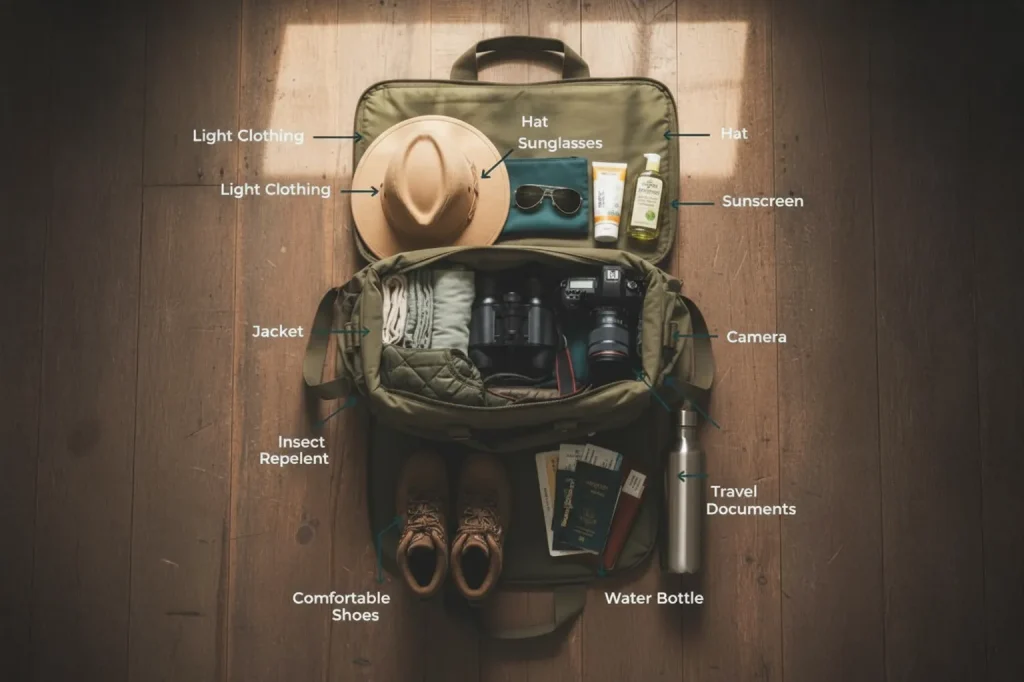
Pack light neutral clothing, layered jackets, sunscreen, binoculars, soft luggage, and comfortable shoes suitable for dusty roads and changing temperatures.
Safari packing is simpler than most people think.
Essential Safari Packing List
Clothing
- Neutral colors
- Light shirts
- Warm fleece for mornings
- Hat
- Sunglasses
Gear
- Binoculars
- Camera
- Power bank
- Universal adapter
Important Local Tip
Do not bring hard-shell suitcases for fly-in safaris.
Small safari aircraft prefer soft bags.
Zanzibar Add-On: Is It Worth It?
Adding Zanzibar after safari creates the perfect balance between adventure and relaxation, especially after several days of early morning game drives.
Absolutely yes.
After dusty safari roads and early starts, Zanzibar feels incredible.
Most travelers combine:
- 5–7 safari days
- 3–5 Zanzibar days
Best Zanzibar Areas
| Area | Best For |
|---|---|
| Nungwi | Lively beaches |
| Kendwa | Sunset swimming |
| Paje | Kitesurfing |
| Stone Town | History & culture |
| Jambiani | Quiet atmosphere |
Our Favorite Combination
One of our most requested itineraries combines:
- Serengeti fly-in safari
- Ngorongoro Crater
- Zanzibar luxury beach stay
It works beautifully because travelers finish with relaxation.
Tanzania Safari Myths That Confuse Travelers
Many safari myths online create unrealistic expectations about wildlife sightings, weather, migration timing, and luxury experiences in Tanzania.
Let us clear up a few quickly.
Myth 1: The Migration Is Always Crossing Rivers
Not true.
River crossings happen only in certain regions and seasons.
The migration moves year-round.
Myth 2: Luxury Safari Means Better Wildlife
No.
Animals do not care how expensive your lodge is.
Luxury improves comfort, food, privacy, and service.
Myth 3: You Will See Every Animal Every Day
Nature does not work like a zoo.
Some days are slow.
Some days are unbelievable.
That unpredictability is part of safari magic.
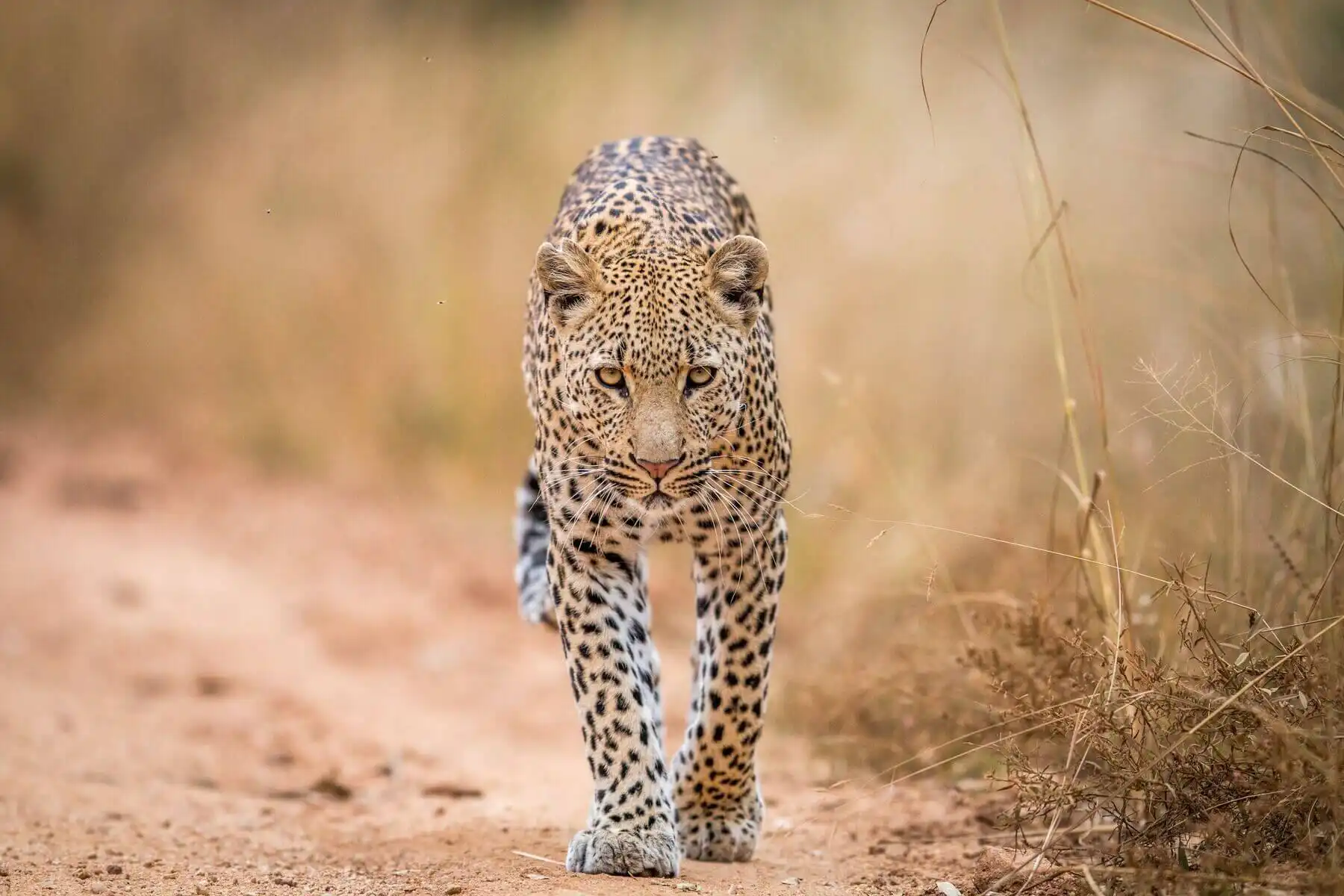
Real Safari Moments Travelers Never Forget
The most unforgettable safari moments are often unexpected: silent sunsets, elephant encounters, distant lion calls, and quiet mornings in the bush.
People think the highlight will always be lions.
Sometimes it is.
But often the moments guests talk about later are smaller things:
- Watching elephants walk silently beside the vehicle
- Hearing hyenas at night from a tented camp
- Drinking coffee while giraffes cross the plains
- Seeing the sunrise over Ngorongoro fog
These are the moments that stay with people.
Comparison Box: Budget vs Mid-Range vs Luxury Safari
| Feature | Budget | Mid-Range | Luxury |
|---|---|---|---|
| Accommodation | Camping/basic lodges | Comfortable lodges | Premium tented camps |
| Vehicle | Shared/private | Mostly private | Premium private |
| Food | Simple | High-quality | Gourmet |
| Location | Sometimes outside parks | Mixed | Prime inside-park |
| Experience | Adventure-focused | Balanced | Comfort-focused |
Pro Tips From Our Team in Tanzania
Local safari knowledge can dramatically improve your experience, from choosing the right camp location to avoiding unnecessary driving hours.
Here are a few things we regularly tell our guests:
1. Wake Up Early
The best wildlife activity usually happens early morning.
2. Stay Inside Serengeti If Possible
You save huge amounts of driving time.
3. Do Not Chase Every Park
Quality beats quantity.
4. Carry Layers
Mornings can be surprisingly cold.
5. Allow Flexibility
Nature changes quickly.
Quick Safari Planning Infographic
| Step | What To Decide First |
|---|---|
| 1 | Travel month |
| 2 | Budget |
| 3 | Private or group |
| 4 | Road or fly-in |
| 5 | Number of days |
| 6 | Safari only or Zanzibar combo |
Frequently Asked Questions
Is Tanzania safari safe for families?
Yes. Tanzania is one of Africa’s top family safari destinations. Many lodges welcome children and private safaris make family travel smoother and more flexible.
What is the best month for Serengeti safari?
June to October is excellent for classic dry-season safari, while January and February are best for calving season in Ndutu.
How much does a Tanzania safari usually cost?
Most safaris range from budget camping trips to luxury fly-in experiences. Prices mainly depend on accommodation, transport style, and season.
Is Zanzibar worth adding after safari?
Yes. Zanzibar is the perfect way to relax after several safari days. Many travelers combine Serengeti and Zanzibar in one trip.
How early should I book a Tanzania safari?
For peak season travel, booking several months early is ideal, especially for Serengeti camps and fly-in safaris.
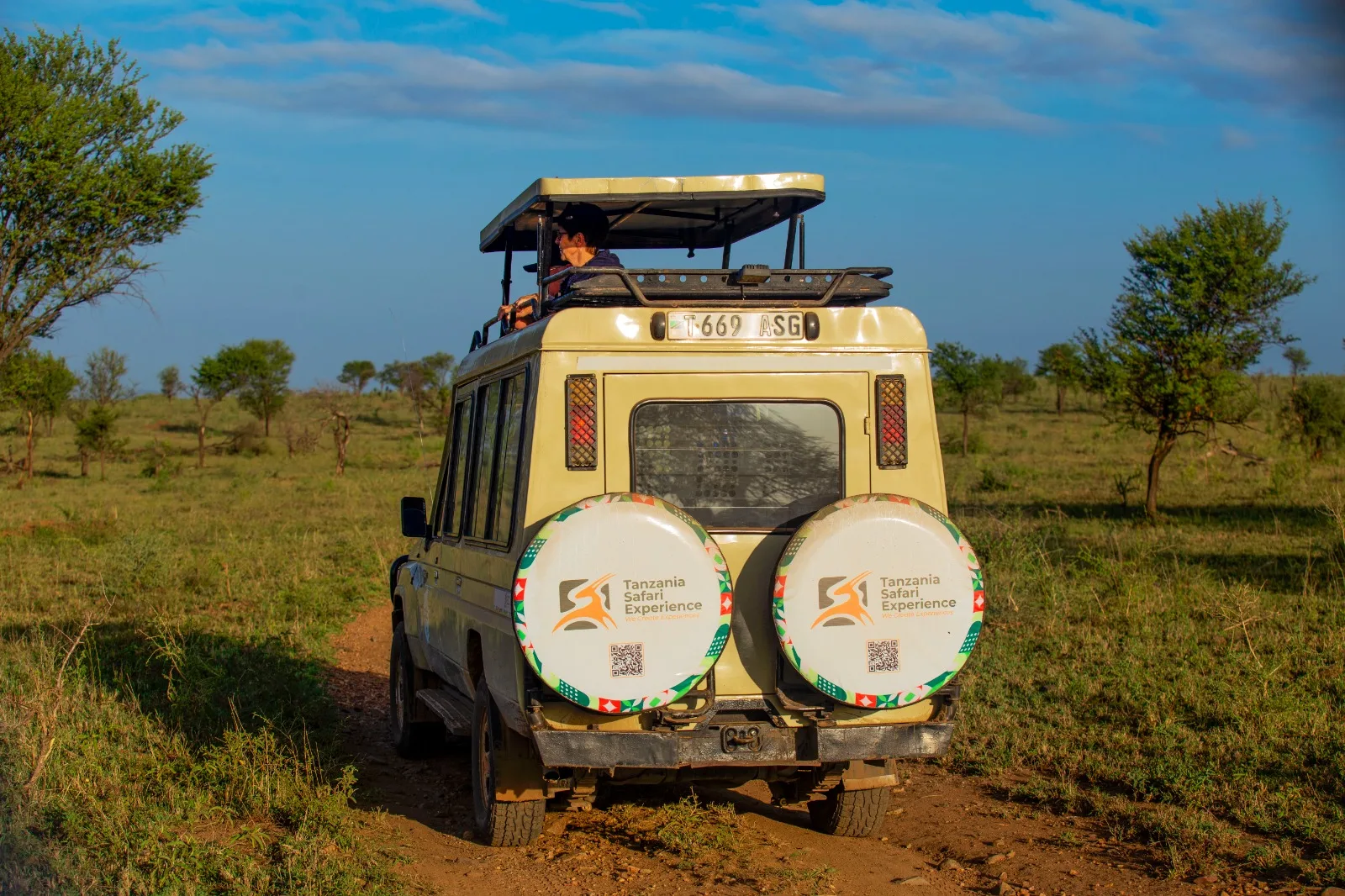
Planning a Tanzania safari is not just about picking random parks on a map. Timing, pacing, accommodation location, and transport style completely shape the experience.
The best safaris feel natural, unhurried, and immersive.
At Tanzania Safari Experience, we build trips based on real local knowledge — not generic itineraries copied from the internet. From the right Serengeti camp location to realistic driving times and smooth Zanzibar combinations, our team helps travelers experience Tanzania properly.
By the time you leave, Tanzania no longer feels like a destination you visited.
It feels like a place that stayed with you long after the safari ended.
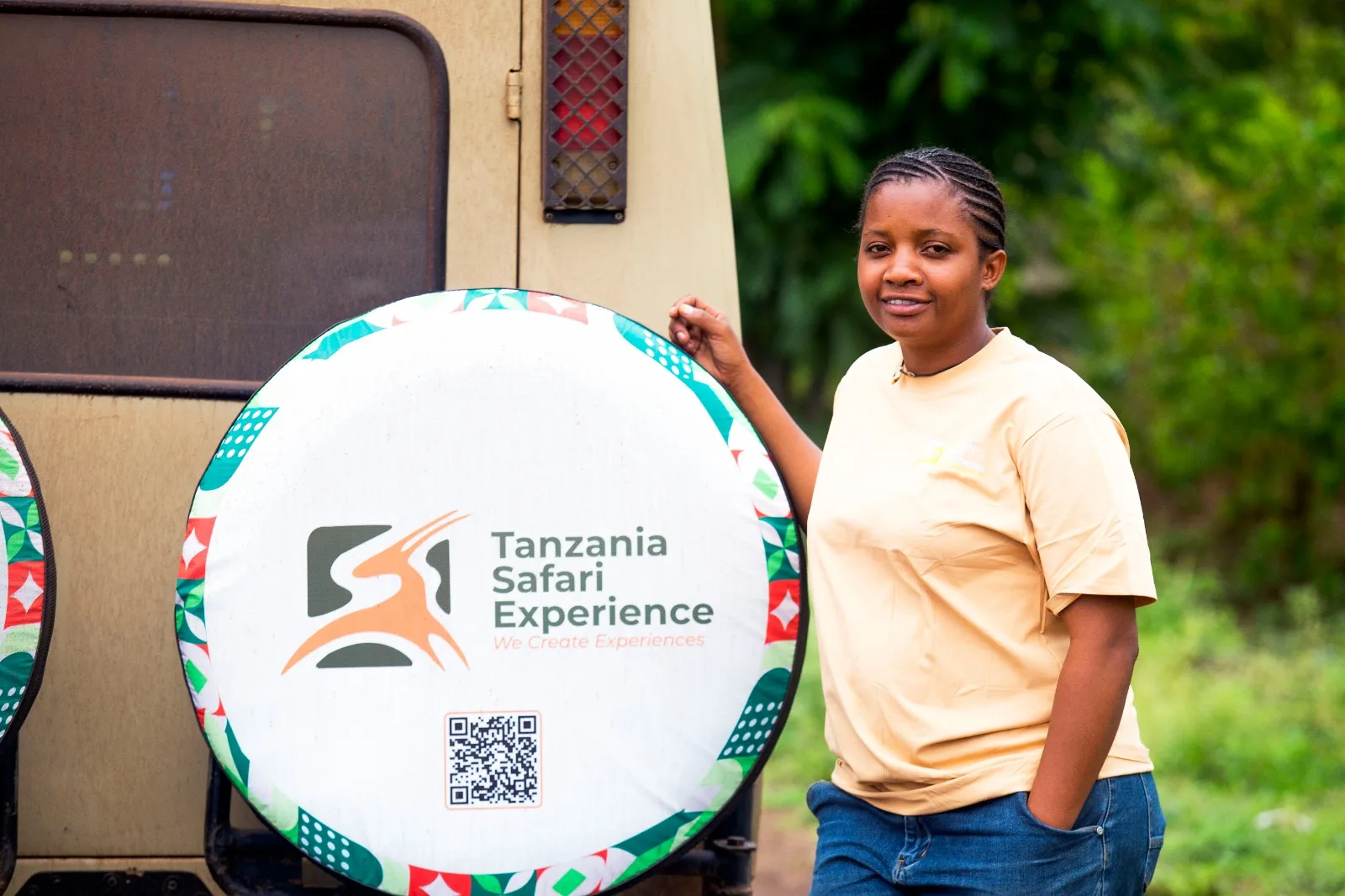

Great Tanzanian vacation
We toured with Tanzania Safari Experience for an eight day trip to Tanzania. Five days of safari and then three days of beach vacation in Zanzibar. They were great to work with and customized everything exactly the way we wanted it. The lodges we were booked in were all incredible, particularly the Lahia Tented Lodge in the Serengeti. Our driver, Jay, seemed to know every road in every national park and as a result the wildlife viewing was unparalleled. There were times where we were the only vehicle seeing lions or hippos. The owner, Laurent, was extremely responsive and any issues we had in-country with our logistics were immediately sorted by him. He genuinely wanted us to have a first-rate experience. The only thing we were unprepared for is that some of the days in the safari vehicle were very long (10+ hours) and the roads can be really rough. But there were plenty of cold drinks in the car and it was worth it to see the wildlife. The safari/beach split was a great way to do the vacation and the beaches of Zanzibar were beautiful with clear blue water.
Family · July 31, 2026Read more
Safari May 2026
This company exceeded everything we’d hoped for. From the start, the tour operator had everything covered — a detailed itinerary laid out well in advance, quick responses to any questions, and a genuine attentiveness that made the whole thing feel effortless. The accommodation was seriously impressive. Not what I was expecting at all — comfortable, well-appointed, and luxurious. We also spent time right in the heart of the bush. A proper treat. The two people who really made this trip were our guide Mariki and photographer Agnes. Mariki’s knowledge of the bush and animal behaviour is something else — he always seemed to know exactly where to go, and his instincts paid off every single time. Agnes has a brilliant eye and captured shots we could never have got ourselves. As for the wildlife — we saw far more than we ever imagined we would. Elephants, lions, leopard, buffalo, giraffe, zebra, hippos — the lot. As a first safari, I couldn’t have asked for more. Would recommend without hesitation.
Friends getaway · June 2, 2026Read more
Great Experience with Tanzania Safari Experience
We had an amazing safari with Tanzania Safari Experience, and honestly the whole trip was put together really well by Laurent and his team. From our first message to the last day, they were easy to reach, quick to reply, and clear about everything. The plan made sense, the timing was smooth, and we didn’t have to stress about anything. Uncle J was a big part of what made it special. He knows the parks incredibly well and seems to notice things before anyone else. He’d position the vehicle perfectly for photos and often got us to sightings before the crowds built up. We were lucky to see [your highlights: migration / lions / cheetahs / elephants / a crossing], and every drive felt exciting and different. The vehicle was comfortable and in good shape, and everything ran on schedule. If you’re looking for a well-organized safari with a great guide, I’d definitely recommend Tanzania Safari Experience.
Solo travel · January 3, 2026Read more
