Overview
Travelling to Africa in November
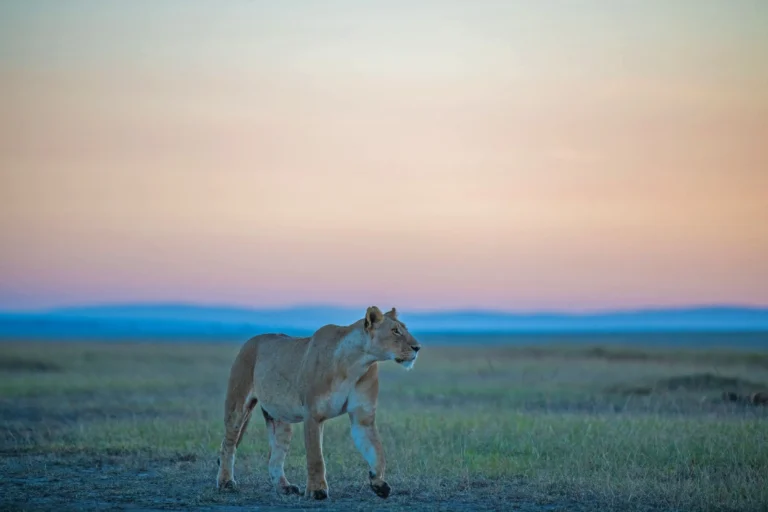
November is the main month of the short rains in northern Tanzania. Rain usually comes as afternoon or evening thunderstorms rather than long wet days, and mornings are often clear. Within days of the first storms, the dry plains turn green, dust settles and the landscape looks completely different from October.
The migration herds usually move south during November, through the eastern Serengeti and Lobo areas, towards the short-grass plains of the southern Serengeti and Ndutu. Their timing depends on where and when the rain falls, so locations can change quickly. Mara River crossings are unlikely at this time.
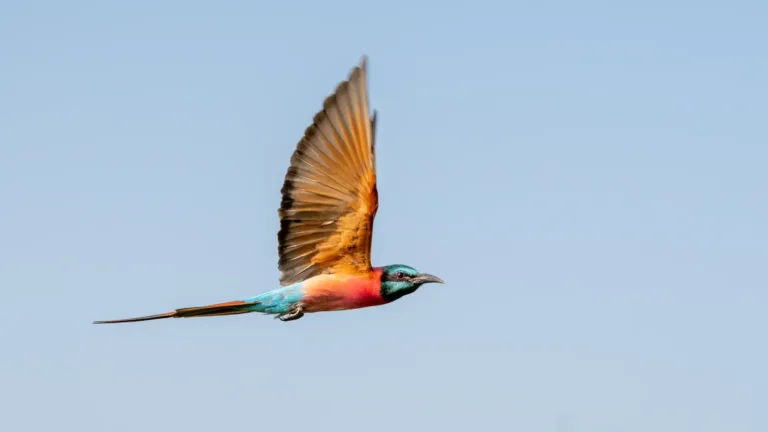
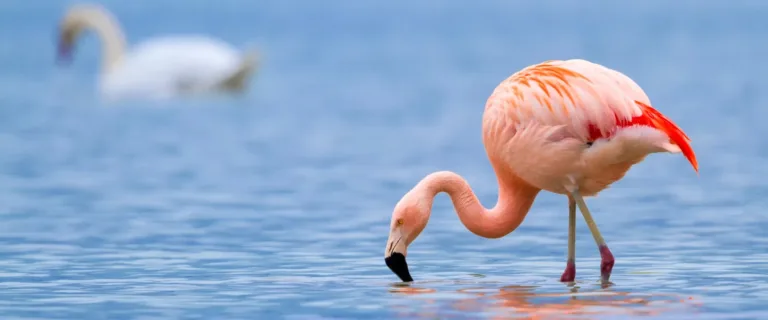
Birdlife is excellent. Migrant species from Europe and Asia arrive and many resident birds begin breeding, so Lake Manyara, Tarangire and the Serengeti are particularly rewarding for birders.
November is low season at many lodges, often with attractive rates, and parks are quiet. Some seasonal camps close or relocate. Roads can become muddy in places after heavy rain, but most of the northern circuit remains accessible.
November suits travellers looking for value and quiet parks, birders and photographers who enjoy dramatic skies. Kilimanjaro is wetter this month, and gorilla trekking in Uganda and Rwanda is possible but often wet.