Tanzania Photographic Safari — Best Tours

Home / Tanzania Photographic Safari

Tanzania Photography Safari – The Ultimate Wildlife Photo Experience

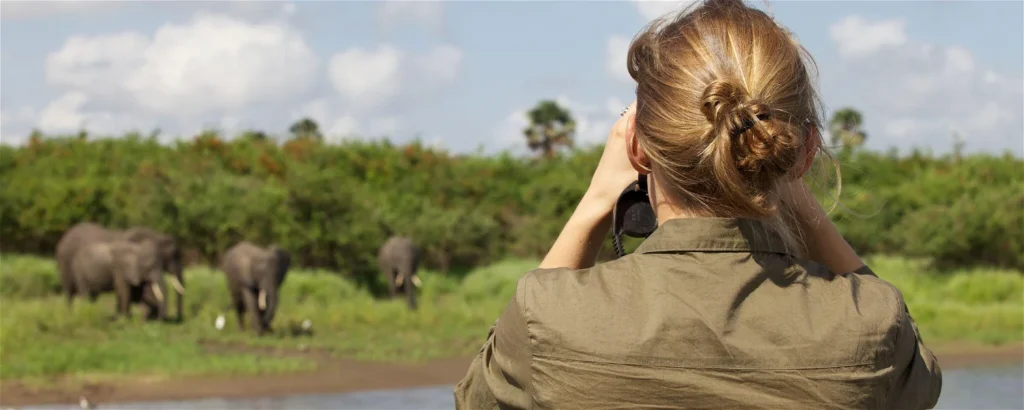
A Tanzania photography safari is designed for travelers who want more time, better positioning, flexible game drives, and experienced guidance for photographing wildlife rather than simply seeing it.

This safari suits professional photographers, serious enthusiasts, content creators, and beginners who want to improve their wildlife images. You do not need expensive equipment, but you do need patience, enough time in each location, and a private vehicle that can respond to changing light and animal behaviour.

The main difference is flexibility. A standard safari may move on after a wildlife sighting, while a photography safari can remain in position, wait for behaviour to develop, adjust the vehicle angle, and return to the same area when the light improves.

What many travelers misunderstand is that visiting more parks does not automatically produce better photographs. In our experience at Tanzania Safari Experience, fewer destinations, longer stays, early starts, and the right guide usually produce stronger images than a rushed itinerary covering too much ground.

Quick Safari Overview

A Tanzania wildlife photography safari works best as a private journey with at least seven days, a dedicated safari vehicle, flexible departure times, and accommodation close to the wildlife areas. The strongest results normally come from spending several nights in Serengeti and combining it with one or two carefully selected northern Tanzania destinations.

Best for: Wildlife photographers, beginners, professionals, content creators, couples and small private groups

Recommended stay: Seven to twelve days

Best season: June to October for dry conditions, January to March for calving, and November to May for green landscapes

Best wildlife experience: Serengeti predators, migration herds, Ngorongoro wildlife density and Tarangire elephants

Travel style: Private and flexible

Difficulty level: Easy to moderate, depending on equipment weight and game drive hours

Photography: Wildlife, landscapes, birds, animal behaviour, portraits and migration scenes

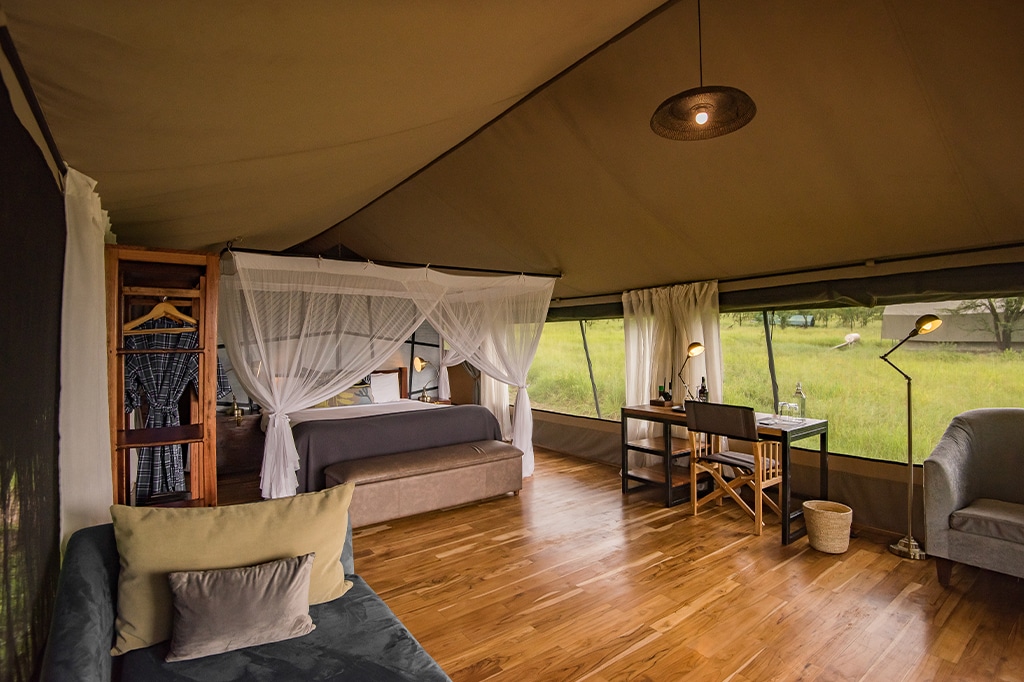
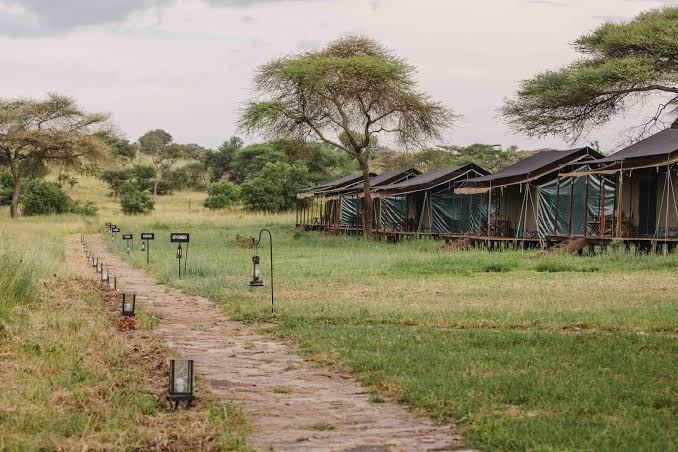
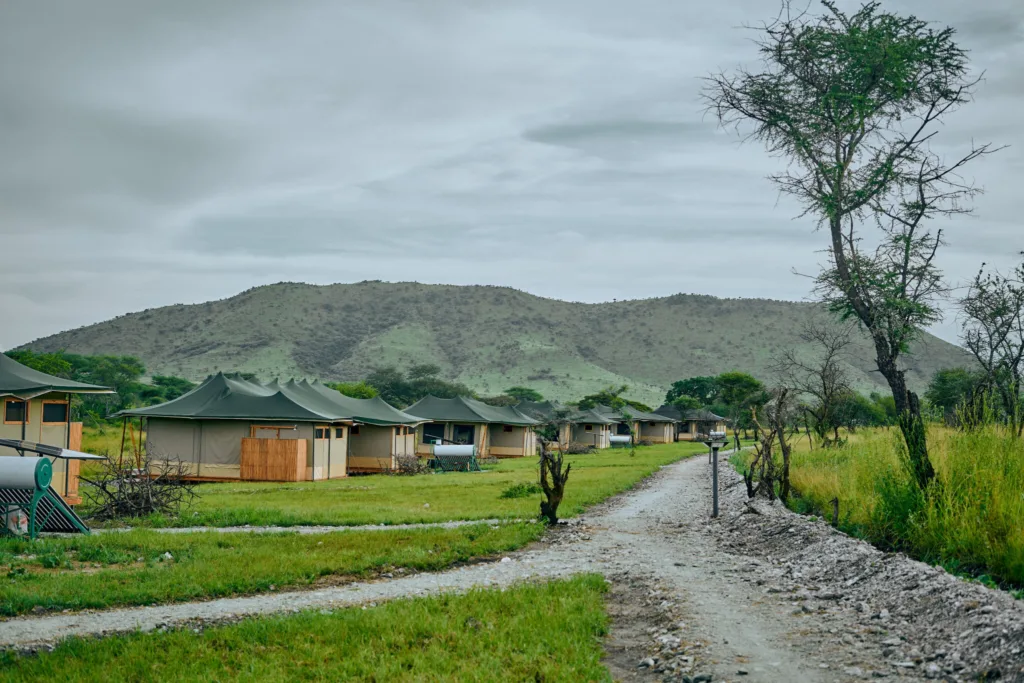
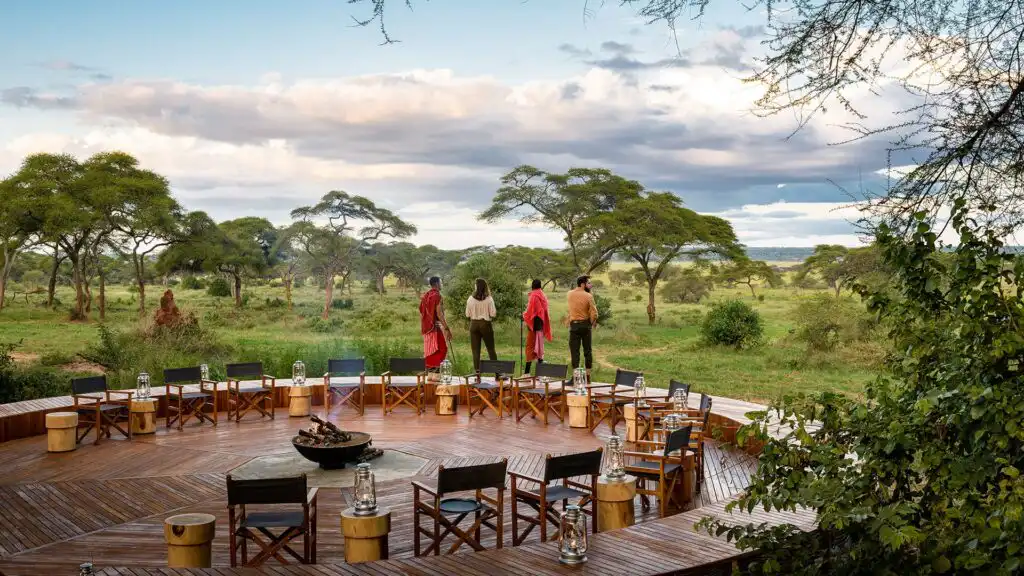
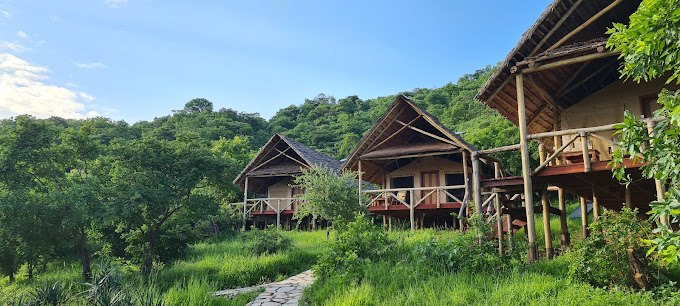
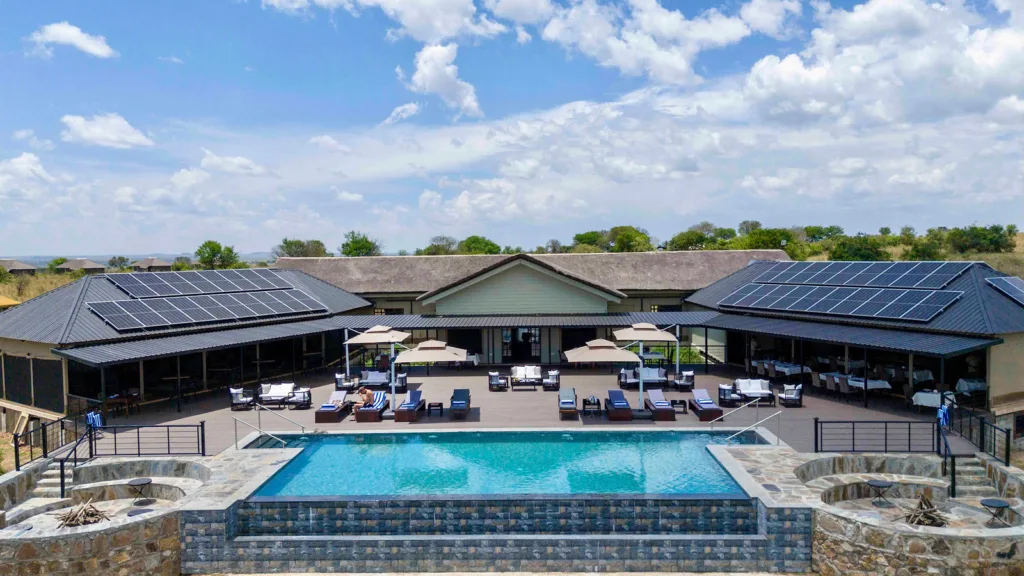
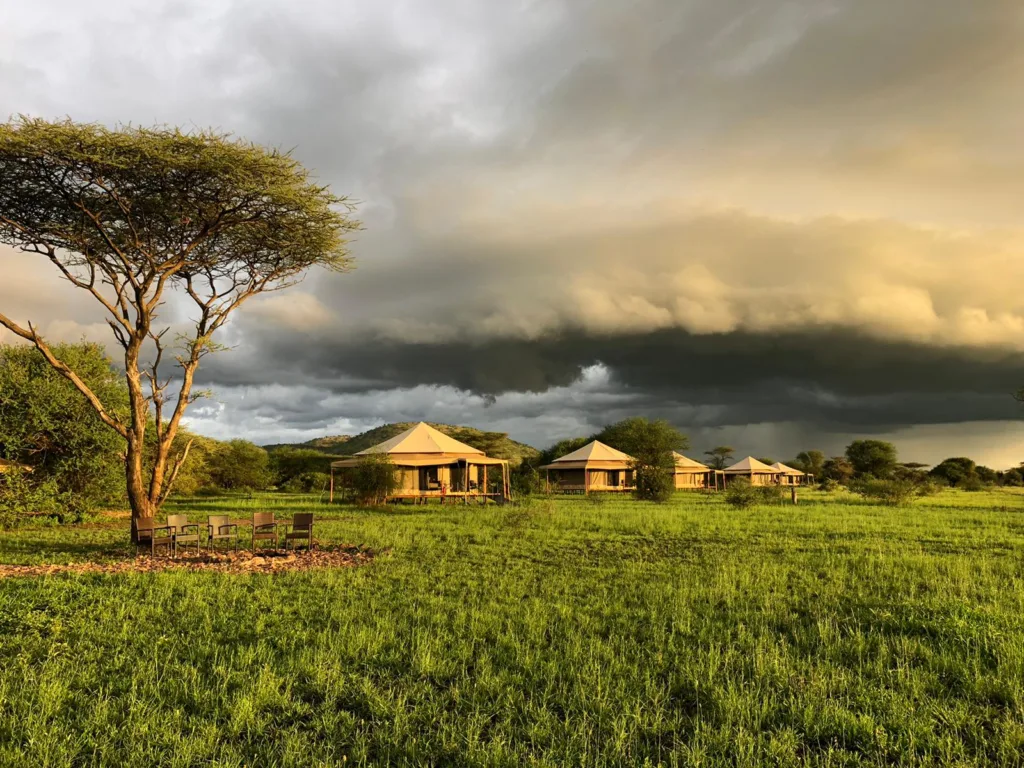
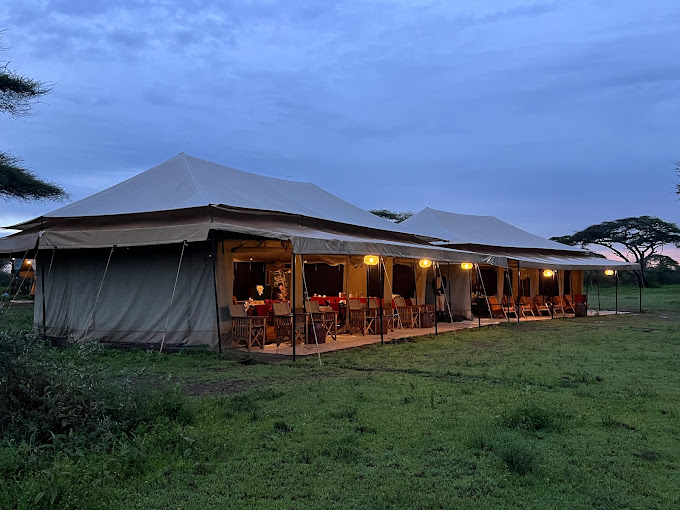
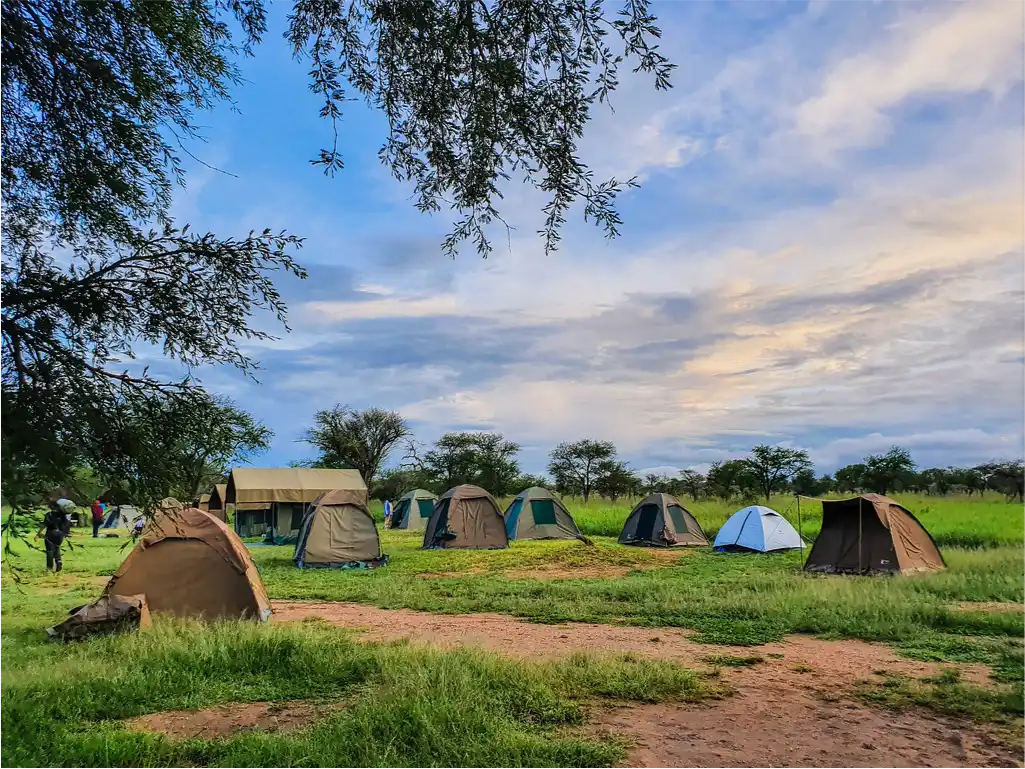
Accommodation style: Carefully located tented camps, lodges or mobile camps

Main highlight: Enough time to wait for the right behaviour and light

Value for money: Strongest when vehicle space, guide quality and location are prioritised over unnecessary luxury

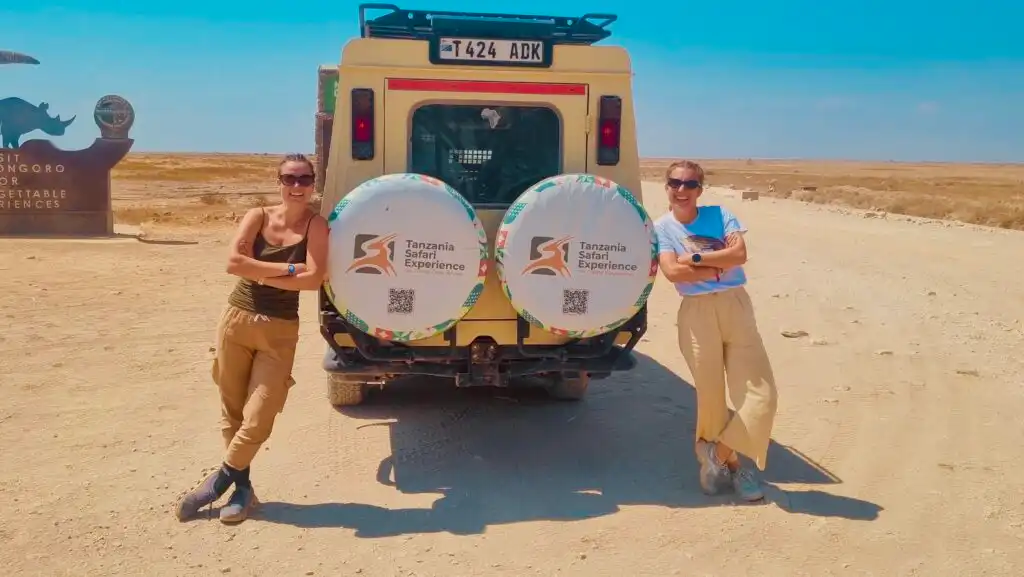
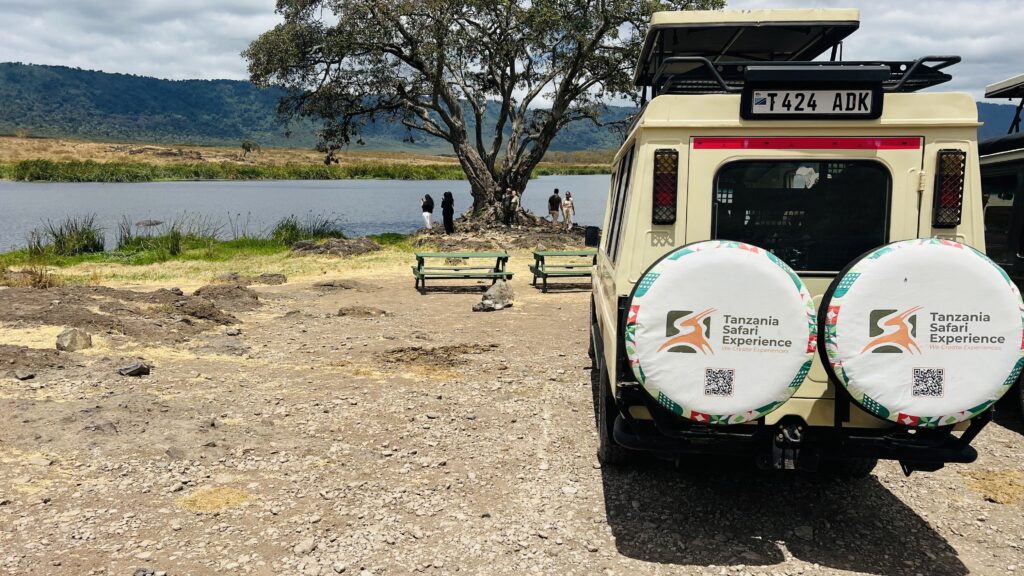
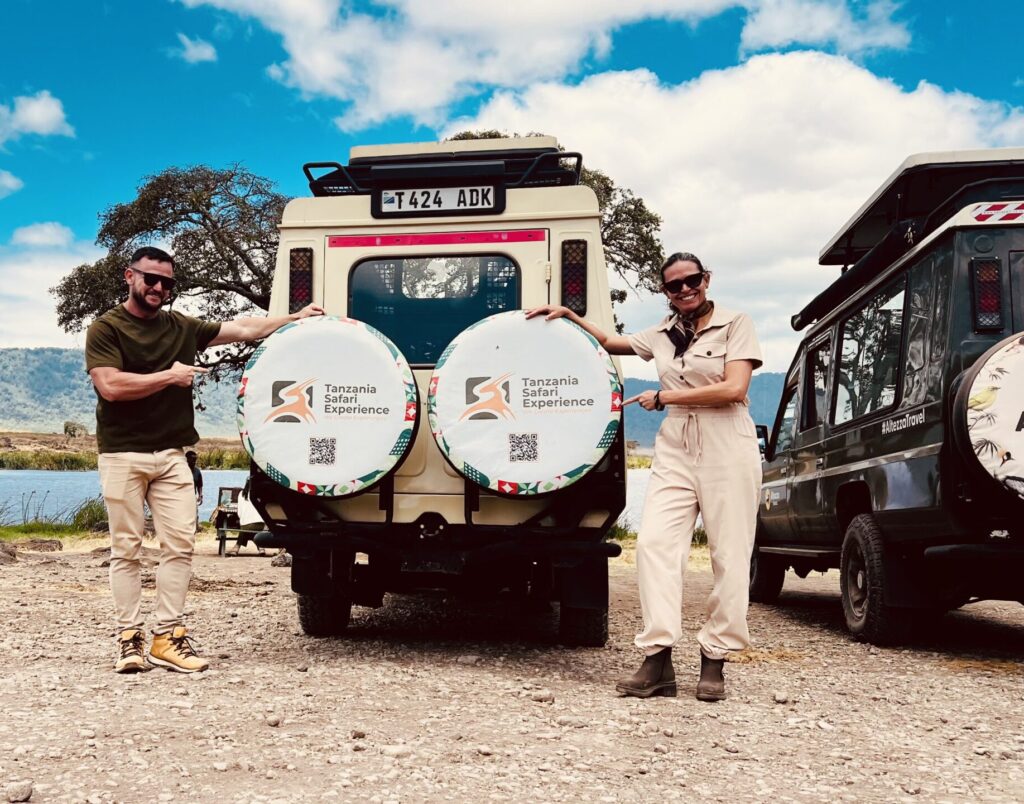
Tanzania Safari Experience Photo Gallery

These are real photos from our clients on their Tanzania safaris. They show the wildlife, landscapes, and special moments you can experience on your own safari adventure.

Safari Highlights

At a glance

Tailormade itineraries

Every Tanzania Safari Experience adventure is customized just for you—no fixed tours or set dates. Speak with our Tanzania Safari experts to help you plan your perfect Tanzania Safari itinerary.

What Makes a Tanzania Photography Safari Different?

A photography safari gives you more control over time, vehicle positioning, daily schedules and wildlife priorities. Instead of following a fixed sightseeing routine, your guide can wait at promising locations, adjust the vehicle for cleaner backgrounds, return during better light and spend longer with subjects showing interesting behaviour.

A private vehicle is essential. Sharing with travelers who have different interests usually creates frustration because photographers may want to remain with one lion pride for an hour while other guests want to search for elephants, giraffes or a new destination.

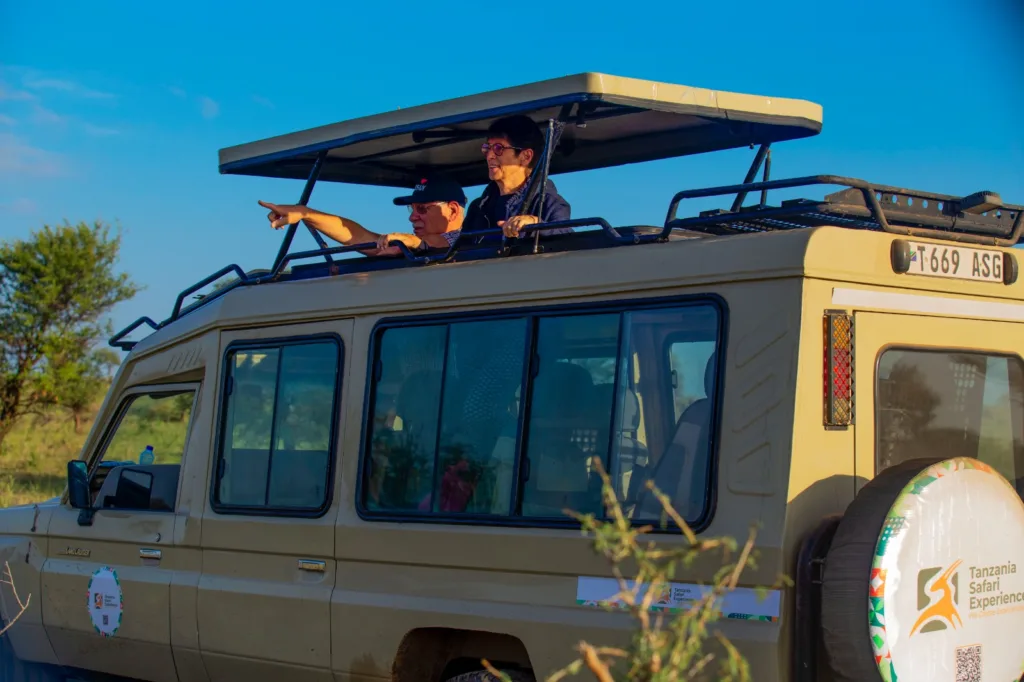
Vehicle space also matters. Ideally, each photographer should have access to an open window or roof position without competing for space. Large lenses, camera bags and bean bags require room, especially when several animals appear on different sides of the vehicle.

Photography safaris also start earlier. The first hours after sunrise often provide softer light, cooler temperatures and more active predators. Late afternoon offers similar advantages, while midday is usually better for resting, transferring between areas or photographing subjects that remain active in strong light.

Expert Recommendation from Tanzania Safari Experience

Book a private vehicle even when traveling as a couple or small group. The additional flexibility is more valuable than adding another park to the itinerary.

A private vehicle allows you to control departure times, choose how long to remain at each sighting and position your equipment safely. It also prevents the common problem of losing a good photograph because another guest wants to move.

Best Places for Wildlife Photography in Tanzania

Serengeti is the strongest all round destination for a Tanzania photography safari, but the best itinerary usually combines it with Ngorongoro Crater, Tarangire or Ndutu. Each area offers different subjects, landscapes, lighting conditions and driving patterns, so the right combination depends on your dates and photographic priorities.

DestinationBest photographic subjectsMain advantageMain limitation
Serengeti National ParkLions, cheetahs, leopards, elephants, migration herds and open landscapesExcellent variety and space for extended wildlife observationPopular areas can become busy around major sightings
Ngorongoro CraterLions, elephants, buffaloes, rhinos, flamingos and dense wildlife scenesHigh wildlife concentration within a compact areaLimited operating hours and less flexibility than Serengeti
Tarangire National ParkElephants, baobabs, birds, lions and dry season wildlife gatheringsStrong landscape photography and large elephant groupsWildlife distribution changes considerably by season
NdutuCheetahs, lions, wildebeest calves and predator behaviourExcellent action during the calving periodSeasonal destination with changing road conditions
Lake Manyara National ParkBirds, forests, elephants, monkeys and lake sceneryGood variety within a smaller parkDense vegetation can make clean wildlife images more difficult
Northern SerengetiRiver crossings, large herds, predators and dramatic landscapesStrong migration photography from July through OctoberCrossing dates and locations cannot be guaranteed
Southern TanzaniaWild dogs, elephants, birds and less crowded landscapesFewer vehicles and a more remote experienceLonger logistics and less predictable access between areas

Serengeti National Park

Serengeti offers the widest range of photography opportunities. Open plains make it easier to follow predators, watch animal interactions and create uncluttered backgrounds.

Central Serengeti is productive throughout the year, particularly for big cats. Northern Serengeti becomes important during the river crossing season, while the southern plains and Ndutu area are strongest during calving.

For a photography safari, we usually recommend at least three nights in Serengeti. Two nights often provide only one full day, which leaves little time to respond to weather, animal movement or changing light.

Ngorongoro Crater

Ngorongoro Crater offers high wildlife density, making it useful for photographers with limited time. Lions, buffaloes, zebras, wildebeest, elephants and many bird species can be seen within a relatively small area.

The challenge is that vehicles follow designated roads and must leave the crater according to park operating rules. You cannot always choose the exact angle or remain indefinitely at a sighting.

An early descent is important. Light is softer, temperatures are cooler and the crater floor is usually quieter before more vehicles arrive.

Tarangire National Park

Tarangire is especially strong during the dry season, when elephants and other animals gather around the Tarangire River. Its baobab trees also create strong environmental portraits and wider landscape compositions.

The park is valuable for bird photography throughout much of the year. During the green season, the vegetation becomes richer, but tall grass can make smaller animals more difficult to photograph clearly.

Tarangire works well at the beginning or end of a northern Tanzania photography itinerary because it is accessible from Arusha and provides a different visual character from Serengeti.

Best Time for a Tanzania Photography Safari

There is no single best month for every photographer. The dry season offers easier wildlife visibility and more predictable roads, while the green season provides richer colours, fewer vehicles and dramatic skies.

Migration photography depends on location, rainfall and herd movement rather than fixed calendar dates. River crossings and exact herd locations can never be guaranteed.

Use the left and right arrow keys to move between travel periods. Use Home for January to March and End for November to December.

  • Green season photography
  • Dry season photography
  • Transition conditions

Photography Conditions by Season

Dry Season Photography

From June through October, animals gather around water sources and vegetation becomes thinner. This makes wildlife easier to locate and photograph.

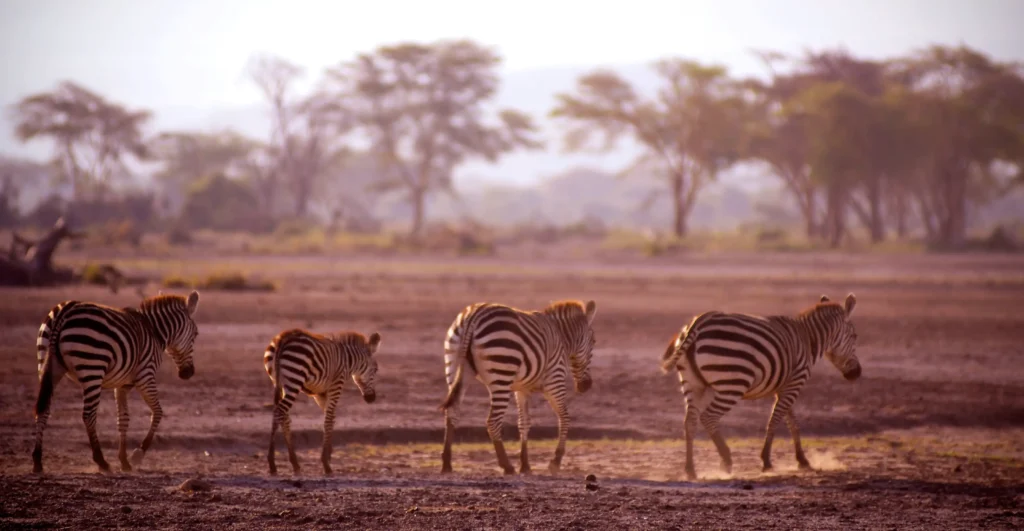
Dust can create attractive backlit scenes, particularly in the early morning and late afternoon. Dust also enters vehicles and camera equipment, so lens changes should be kept to a minimum.

Popular areas can become crowded. A skilled guide should understand how to avoid blocking other vehicles, anticipate where an animal may move and choose a position that does not disturb wildlife.

Green Season Photography

The green season offers stronger colours, cleaner air, dramatic cloud formations and fewer vehicles in many areas. It is particularly good for bird photography and environmental wildlife portraits.

Rain does not usually fall continuously throughout the day, but storms can be heavy. Some tracks become muddy and journey times may increase.

Many photographers overlook this period because they assume dry weather is always better. Green grass, dark skies and wet animal coats can produce more distinctive images than the pale landscapes of peak dry season.

Calving Season

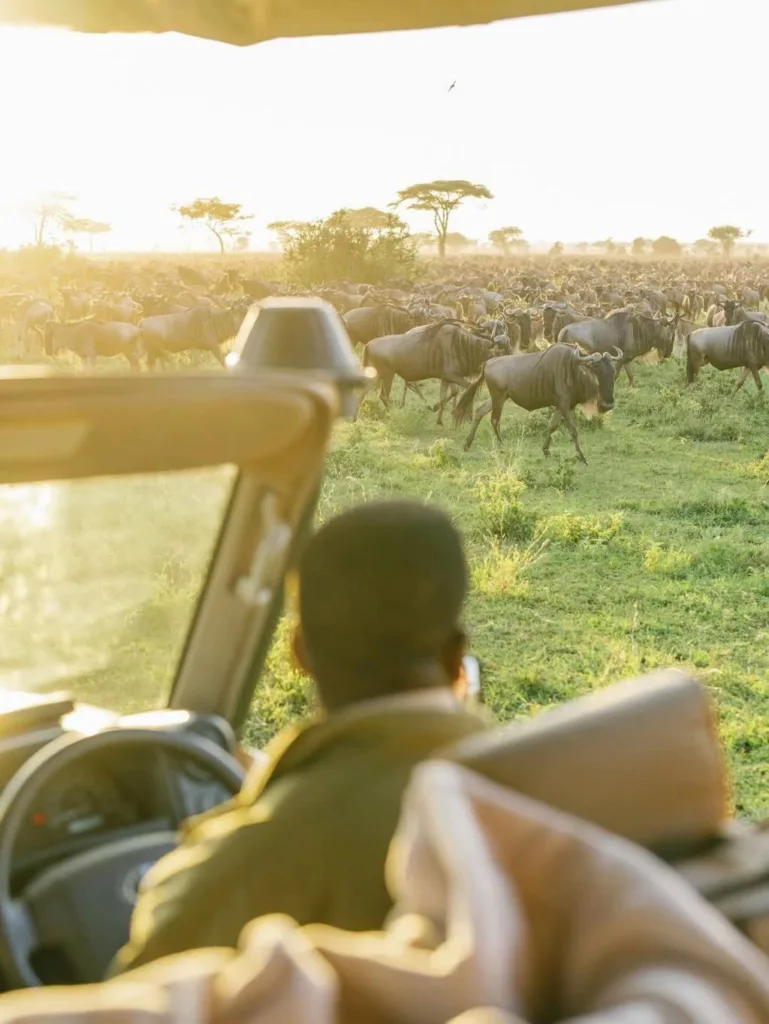
From approximately January through March, the southern Serengeti and Ndutu area can hold large wildebeest herds. Calving activity attracts lions, cheetahs, hyenas and other predators.

Wildlife action can happen quickly. A second camera body is useful because changing lenses during a chase may cause you to miss the sequence.

The exact movement of the herds depends on rainfall and fresh grazing. No responsible operator should promise that the migration will remain in one precise location throughout your stay.

River Crossing Season

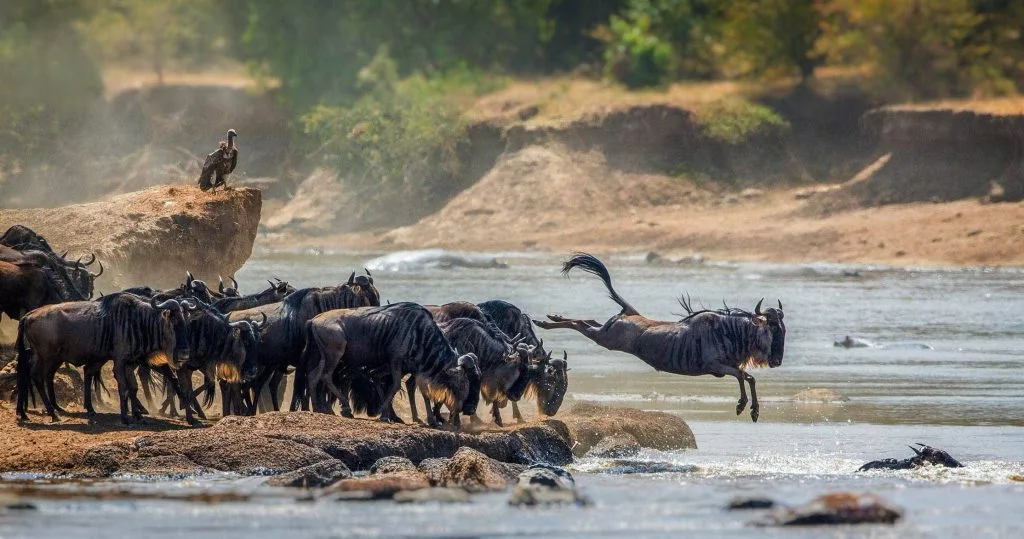
Northern Serengeti is usually visited from July through October for the possibility of photographing wildebeest crossing rivers.

Crossings cannot be scheduled. Herds may gather for hours or days before moving, cross in a different location or turn away completely.

Photography success requires patience. Spending three or four nights in the area normally gives you a stronger chance than arriving for one night and expecting a crossing on demand.

How Many Days Do You Need?

Seven days is a practical minimum for a serious northern Tanzania photography safari, while nine to twelve days provides more time for weather changes, repeated sightings and slower travel. A shorter trip can still work, but it should focus on fewer destinations rather than attempting to cover every major park.

Safari durationRecommended approachMain limitation
Four to five daysFocus on one main area with one nearby destinationLimited time for repeated sightings and weather changes
Six to seven daysSerengeti plus Ngorongoro or TarangireRequires careful route planning
Eight to ten daysLonger Serengeti stay with two additional areasHigher park, accommodation and vehicle costs
Eleven to fourteen daysMultiple Serengeti regions or northern and southern circuitsMore equipment management and longer safari days

A rushed itinerary is one of the biggest causes of poor photography results. Long transfers reduce the hours available during the best light.

For example, sleeping far outside Serengeti may appear cheaper, but the daily drive to reach productive wildlife areas can cost several hours. A camp inside or close to the correct wildlife zone normally gives photographers more useful time.

Common Mistake

Trying to include Tarangire, Lake Manyara, Ngorongoro, Central Serengeti and Northern Serengeti within a short safari often looks impressive on paper but creates too much driving.

The better alternative is to choose fewer areas and stay longer. Wildlife photography improves when you understand the animals in one location, return to promising subjects and have time to wait.

Tanzania Photography Safari Packages

Our Tanzania photography safari packages are thoughtfully designed to give photographers the freedom and time they need in the field. Unlike standard itineraries, these packages focus on fewer locations with longer stays to allow repeated visits under different light conditions.

Each package includes experienced driver-guides trained in photography positioning, flexible daily schedules, and vehicles adapted for camera use. Whether you are traveling solo, as a couple, or in a small group, every detail is tailored to enhance your photographic success.

Northern Circuit Safari – From Arusha to Serengeti (8 Days)Tanzania Safari7 Nights

Northern Circuit Safari – From Arusha to Serengeti (8 Days)

Ngorongoro CraterTarangire National ParkSerengeti National ParkLake Manyara National ParkNorthern Serengeti National Park
7 Nights Ngorongoro Crater
Tour Type: Luxury Safari
Places Visited:Ngorongoro Crater, Tarangire National Park, Serengeti National Park, Lake Manyara National Park, Northern Serengeti National Park
From $3,292/person
Serengeti Central Game Drive PhotoTanzania Safari6 Nights

7 Days Tanzania Safari Experience

Tarangire National ParkSerengeti National ParkNgorongoro CraterLake Manyara National Park
6 Nights Tarangire National Park
Tour Type: Mid Range Safari
Places Visited:Tarangire National Park, Serengeti National Park, Ngorongoro Crater, Lake Manyara National Park
From $1,790/person
5 Days Tanzania Safari Experience ItineraryBest Seller4 Nights

5 Days Tanzania Safari Experience

Tarangire National ParkNgorongoro CraterSerengeti National Park
4 Nights Tarangire National Park
Tour Type: Mid Range Safari
Places Visited:Tarangire National Park, Ngorongoro Crater, Serengeti National Park
From $2,236/person

Tanzania Photography Safari Prices

Tanzania photography safari prices vary based on several important factors, including accommodation level, duration, and whether the safari is private or shared.

Mid-range photography safaris typically range from USD 450 to 650 per person per day, while luxury safaris can exceed USD 1,000 per person per day. These prices usually include park fees, accommodation, meals, professional guiding, and a dedicated safari vehicle.
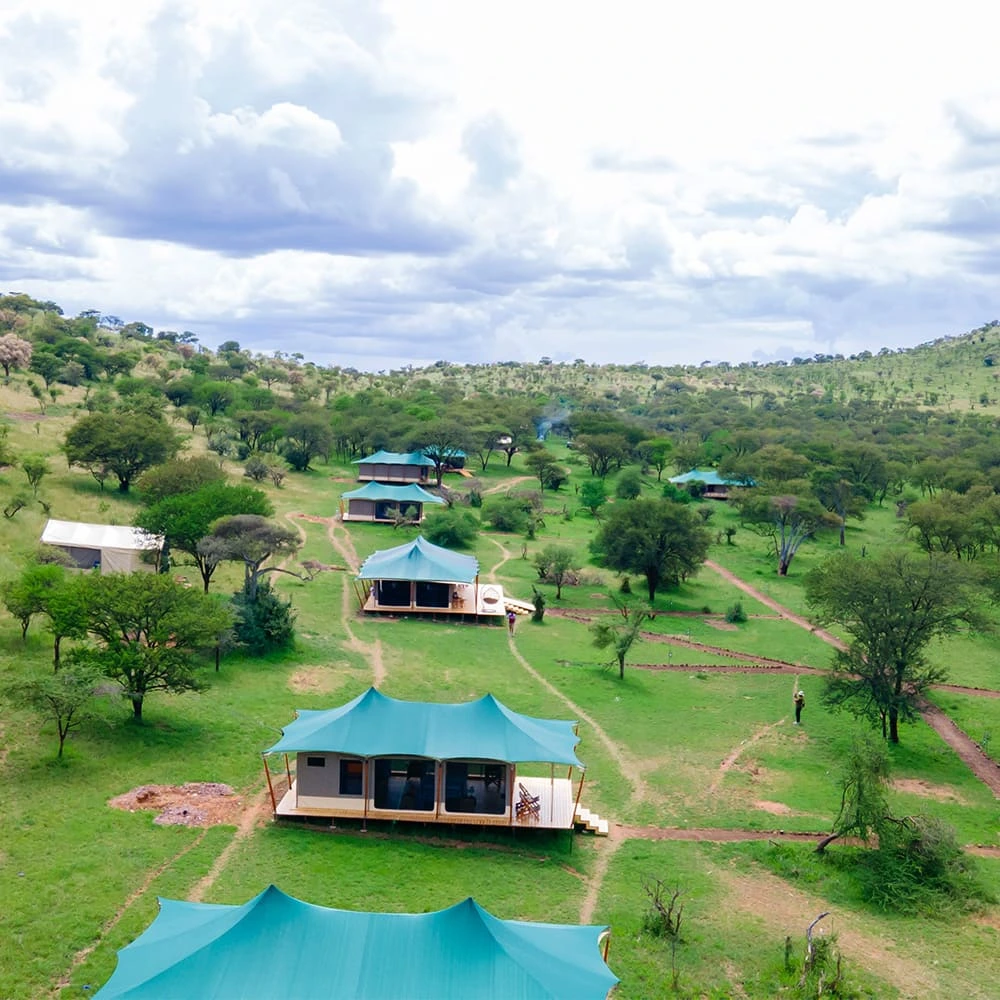
Understanding the safari cost in Tanzania helps travelers plan effectively while ensuring the experience meets their expectations.

Where to Stay on a Tanzania Photography Safari

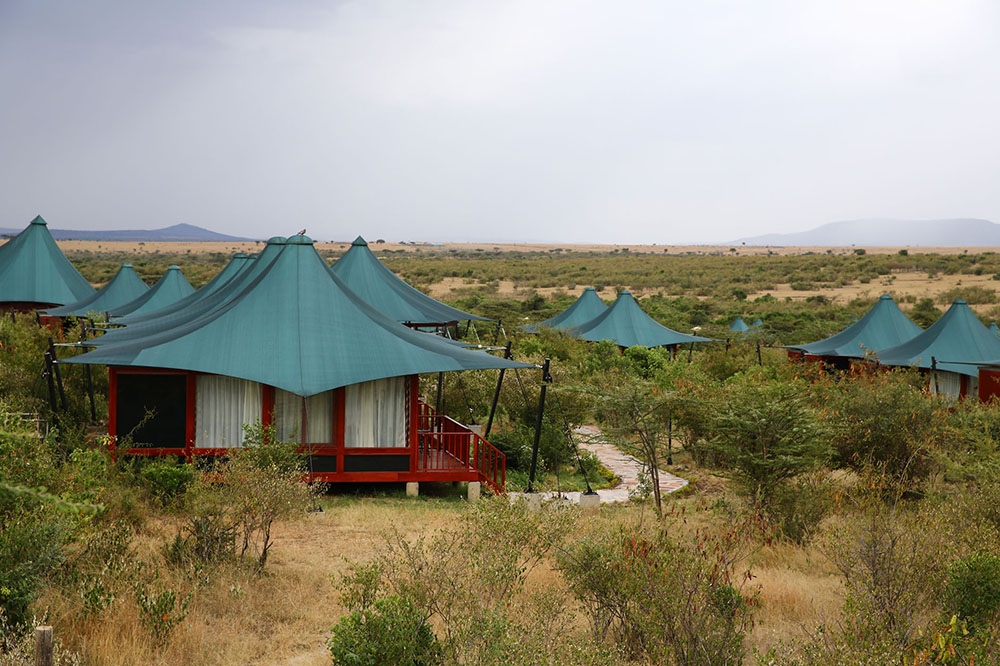
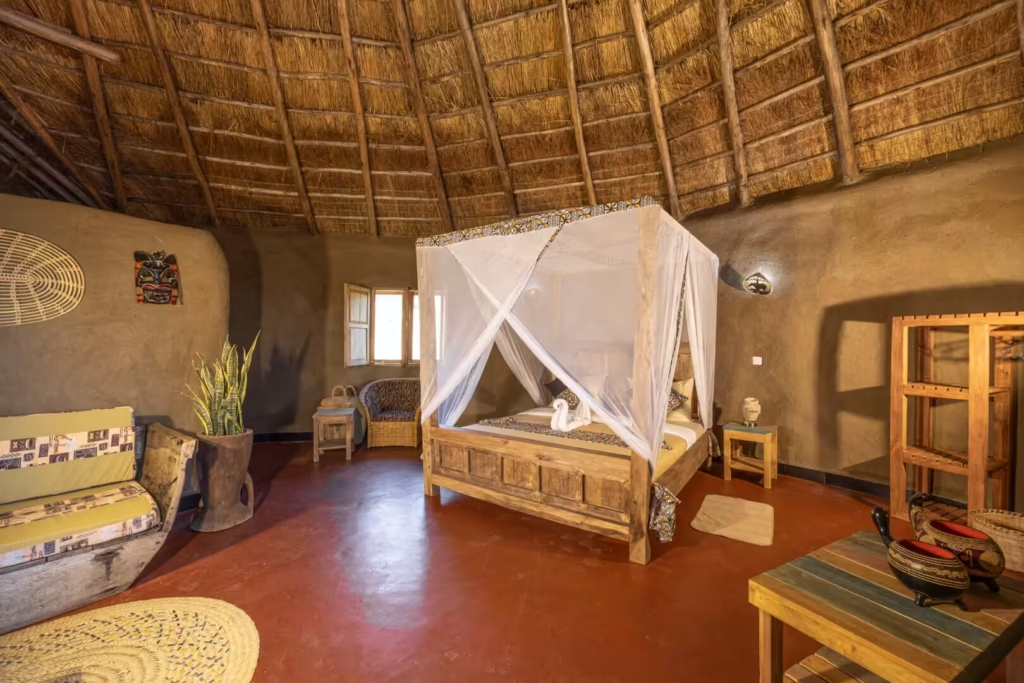
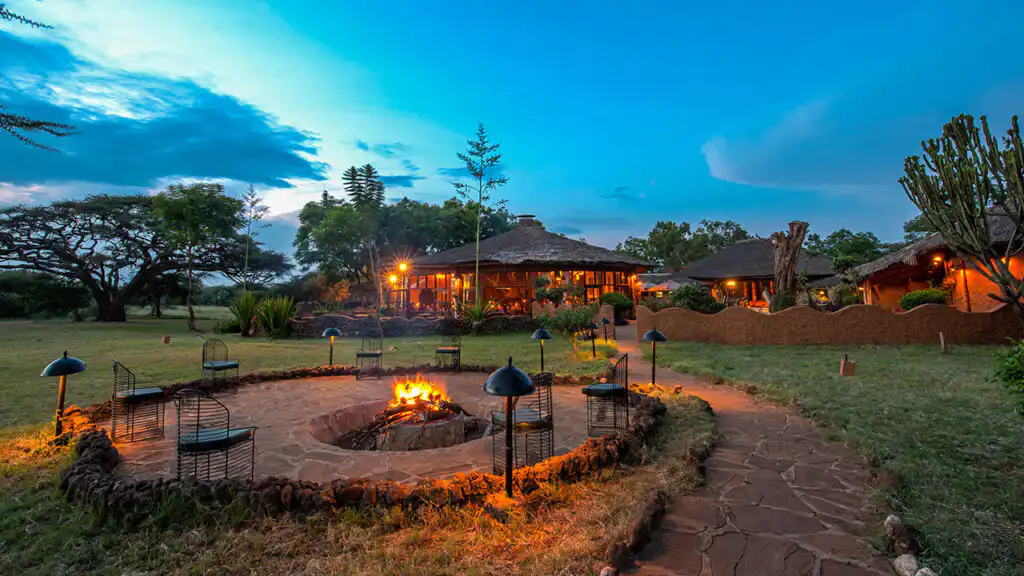
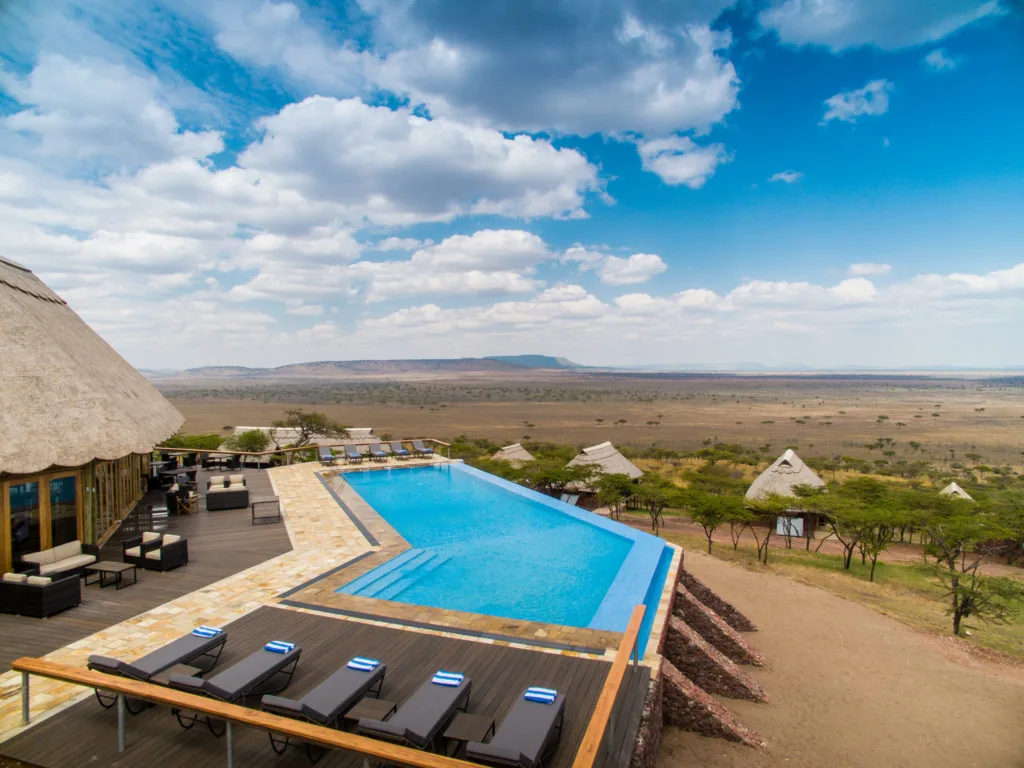
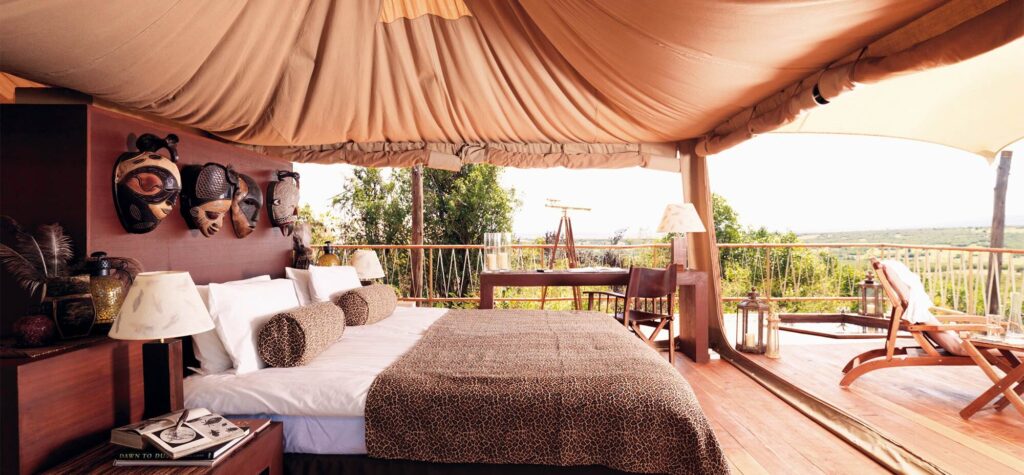
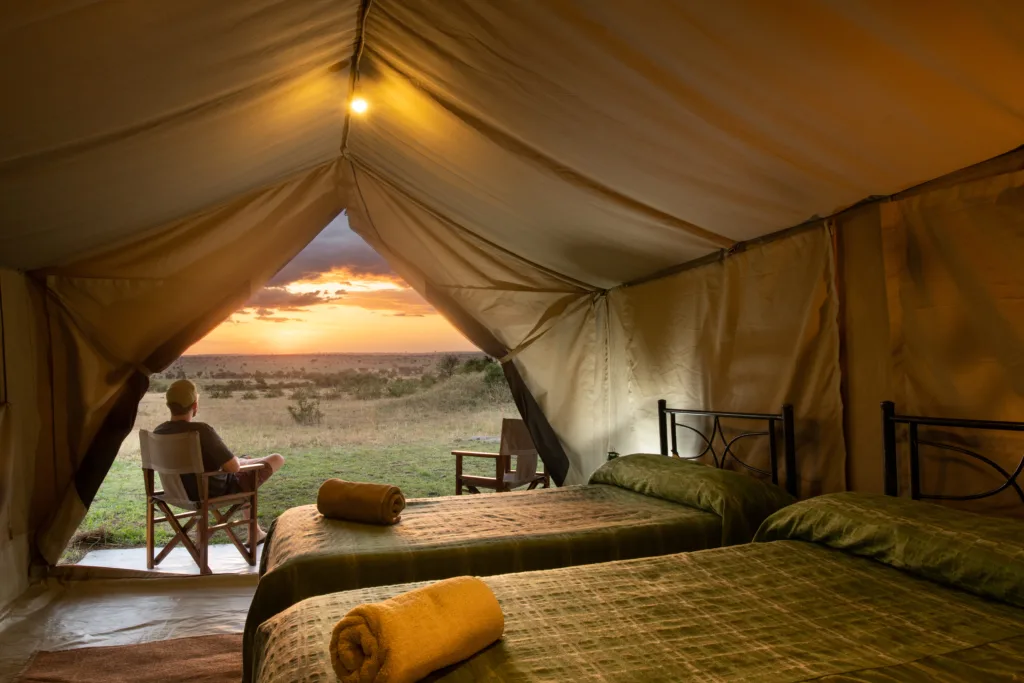
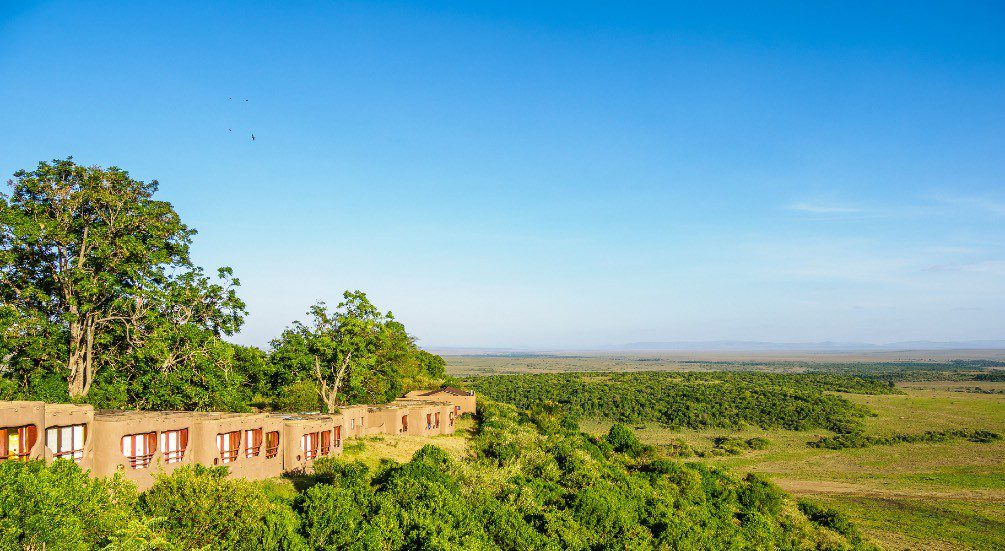
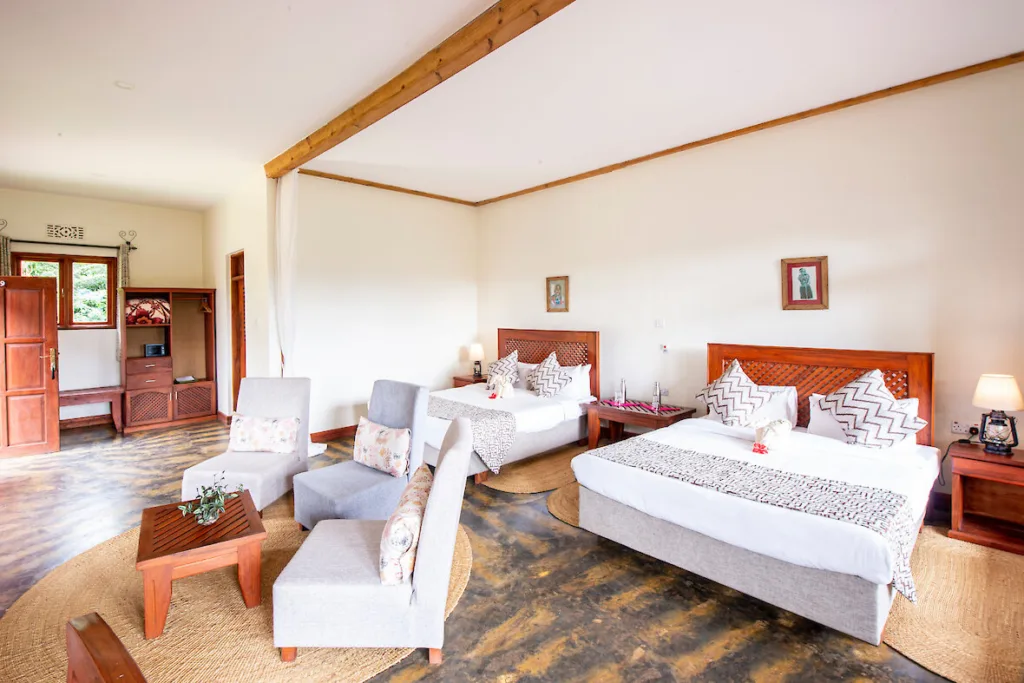
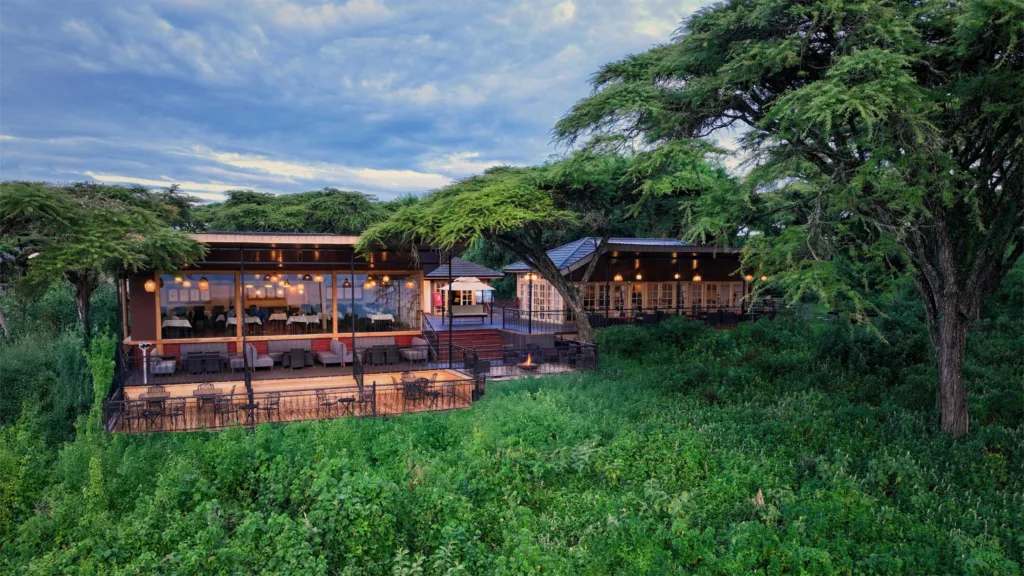
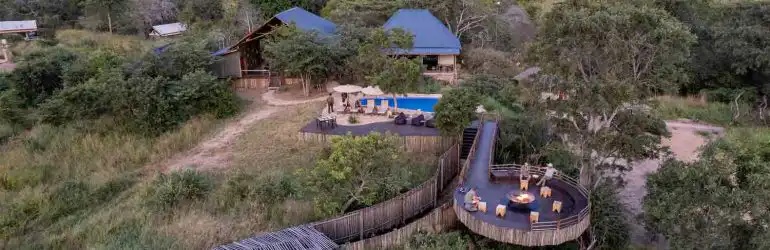
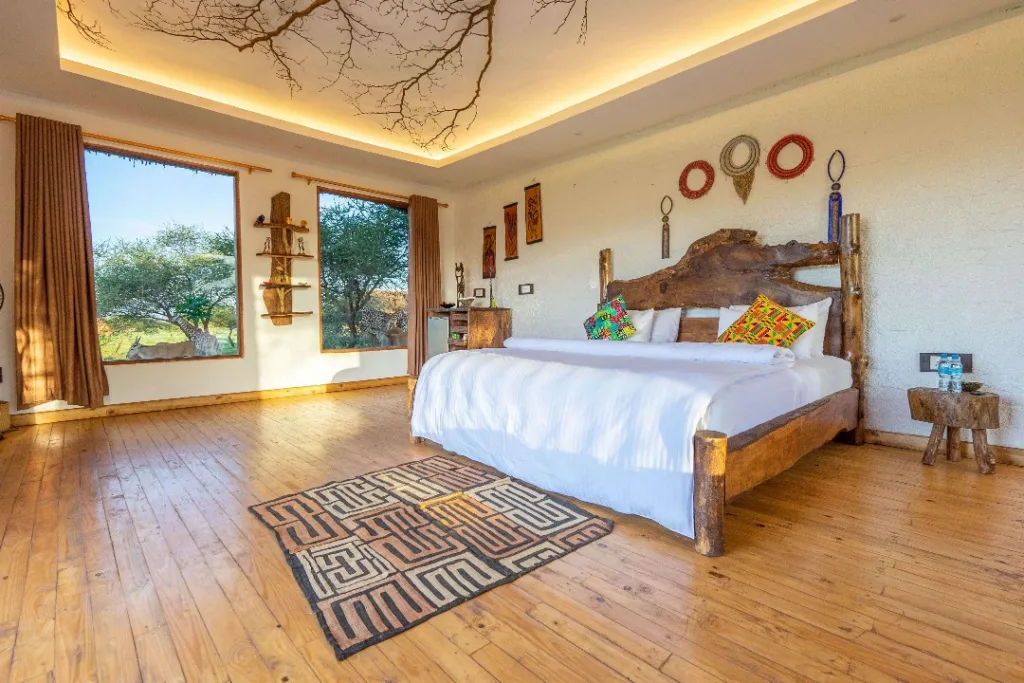
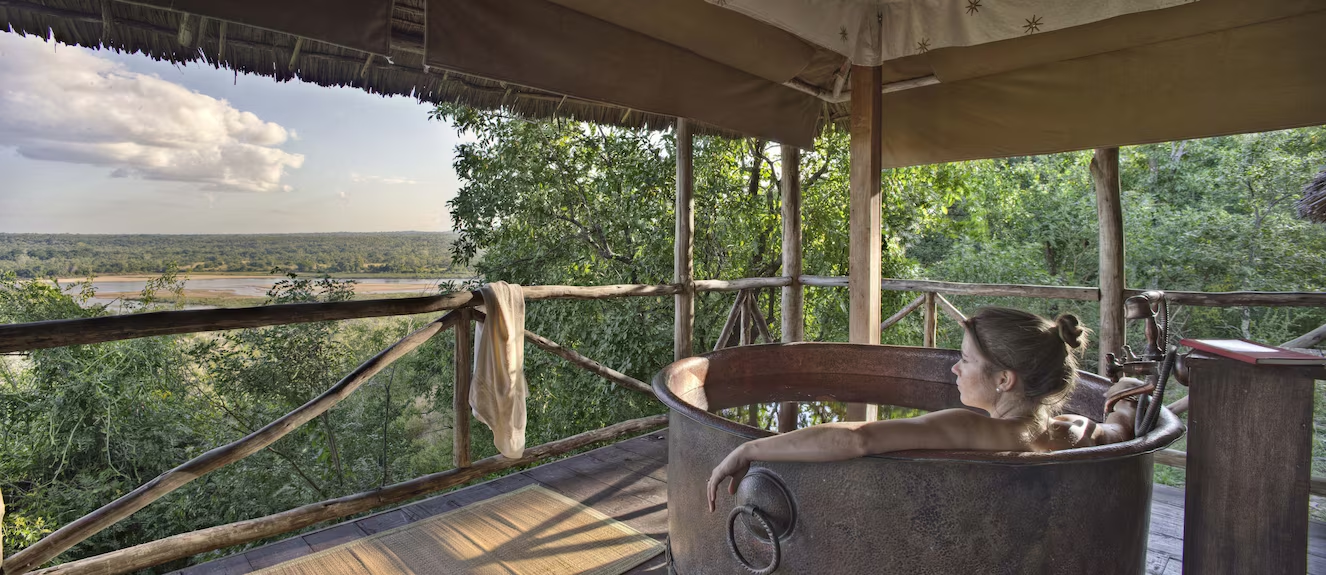
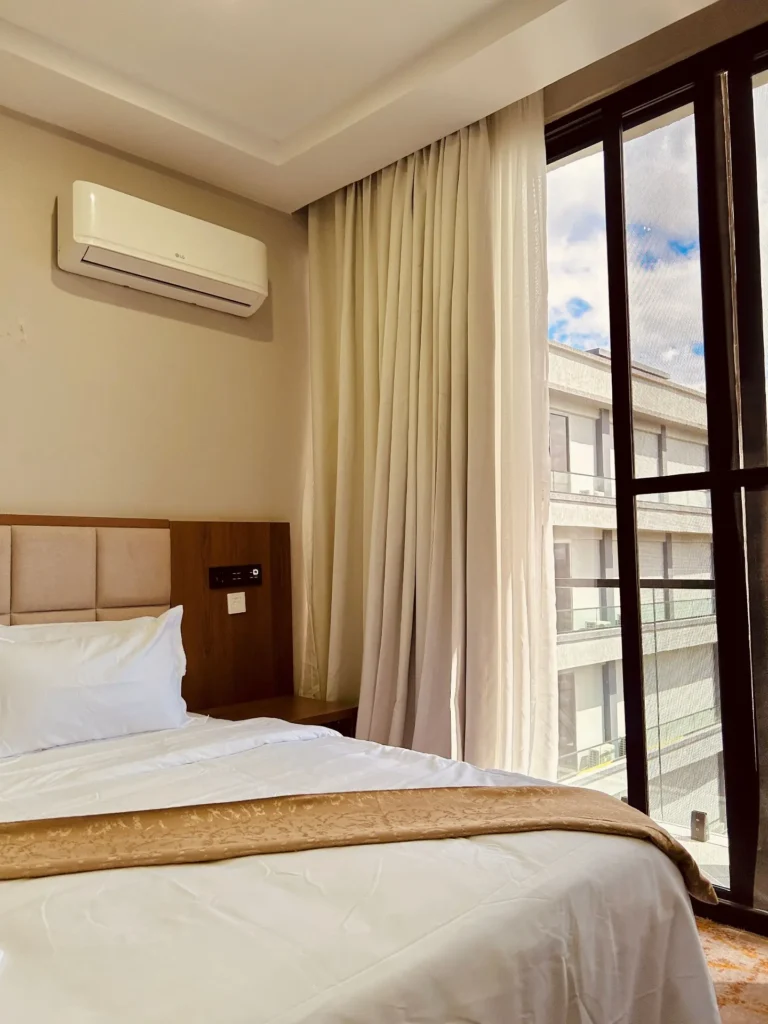
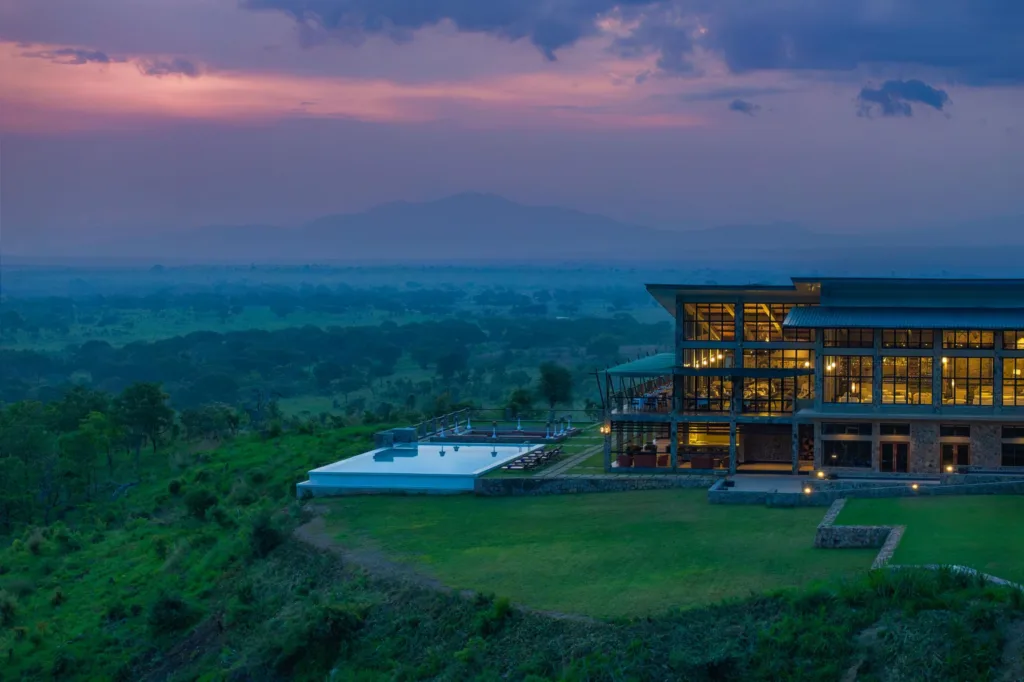
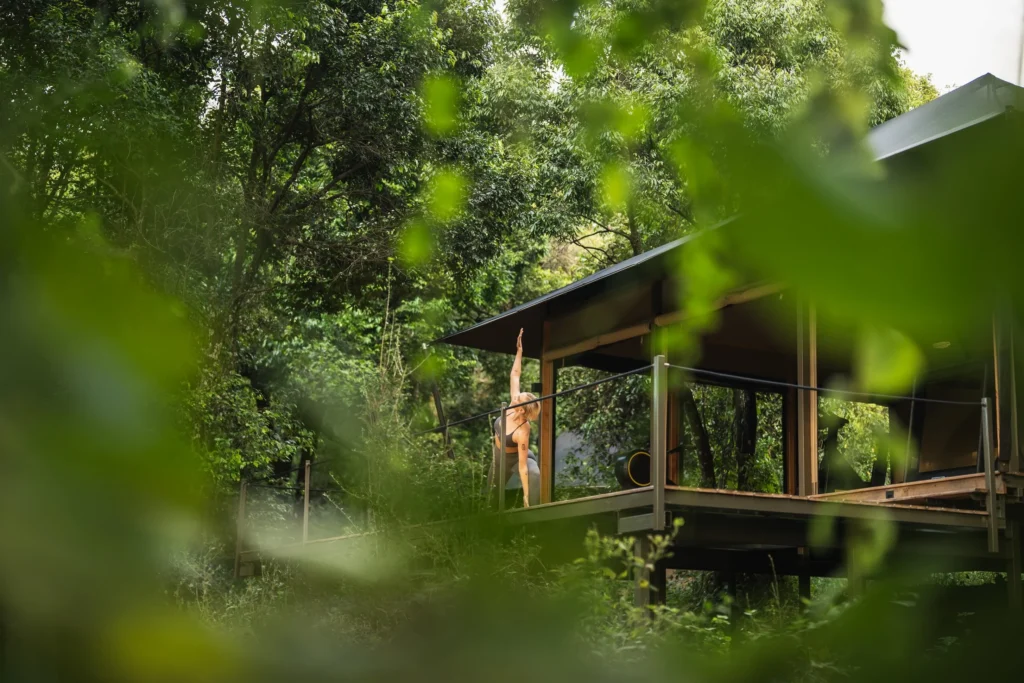
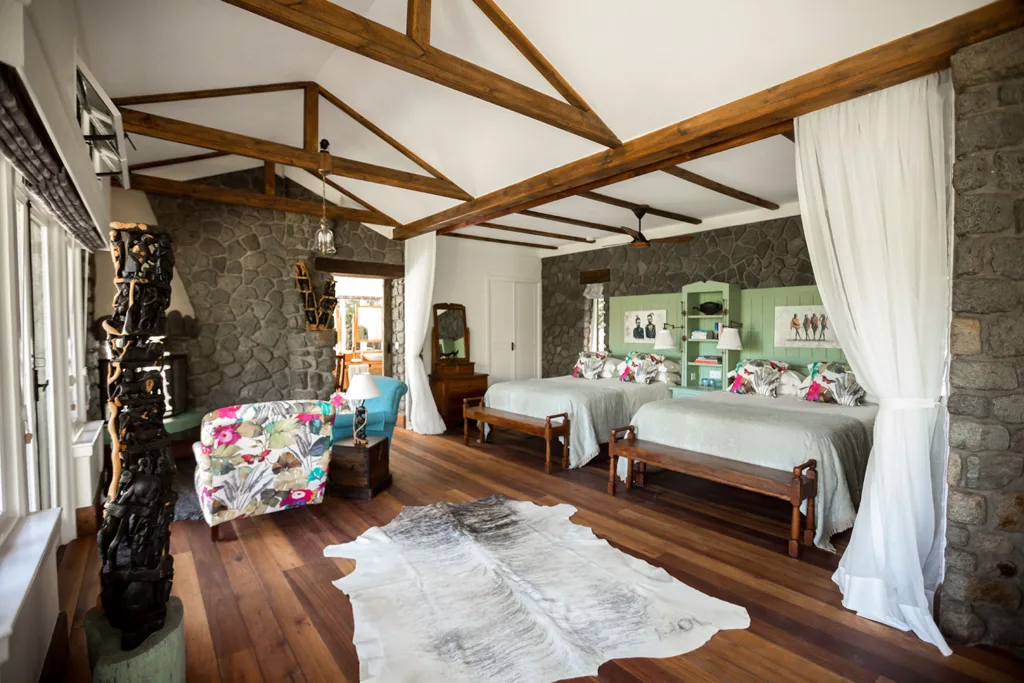
Choosing the right accommodation is essential for a successful photography safari. Location matters more than luxury, as staying close to wildlife reduces travel time and increases shooting opportunities.

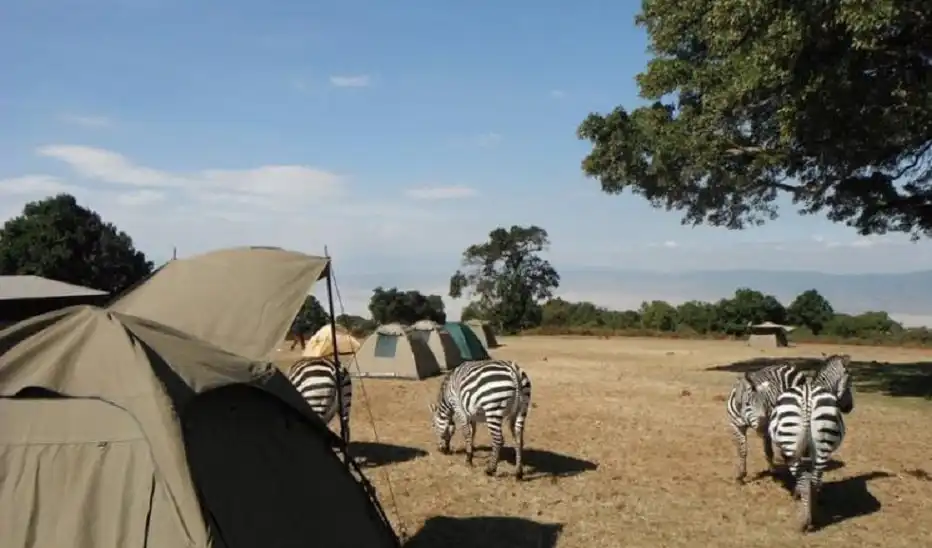
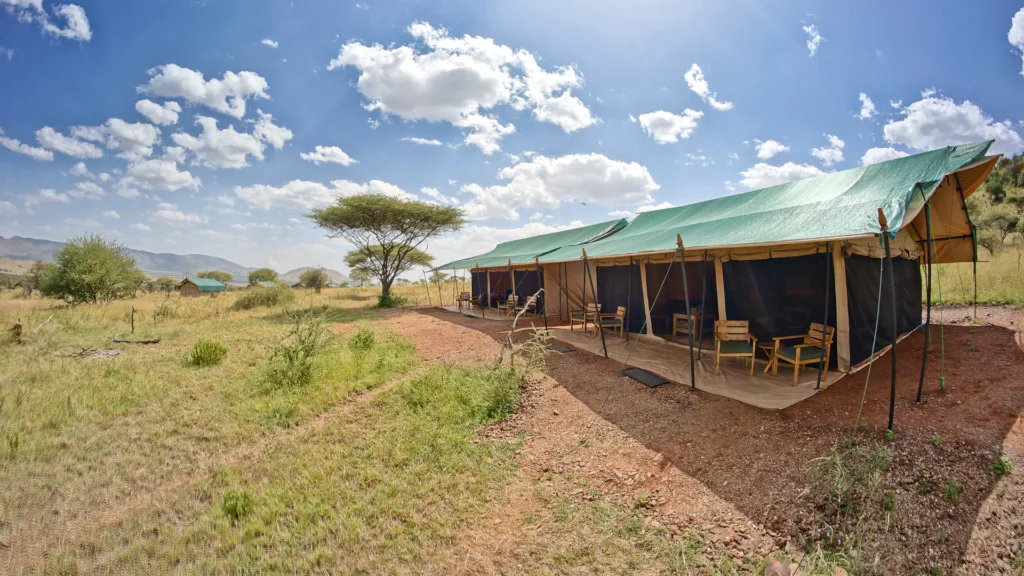
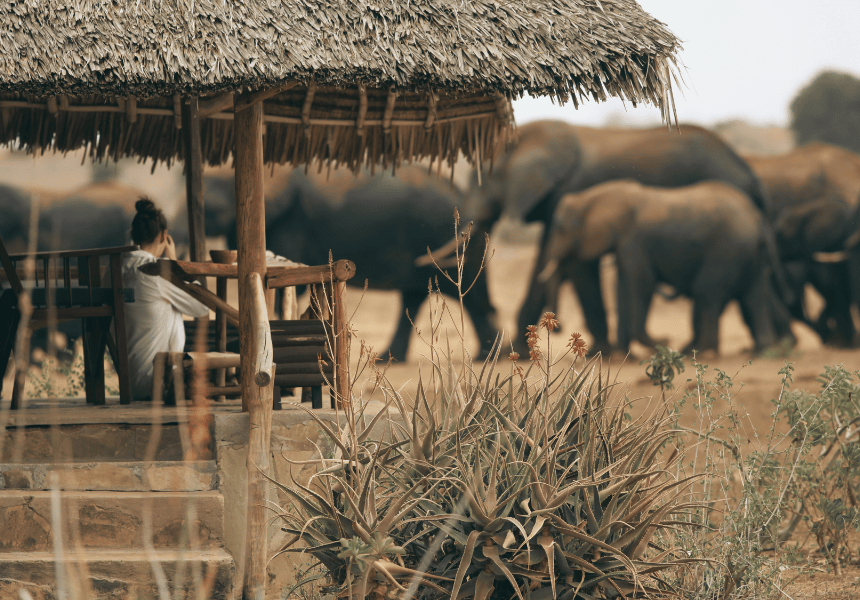
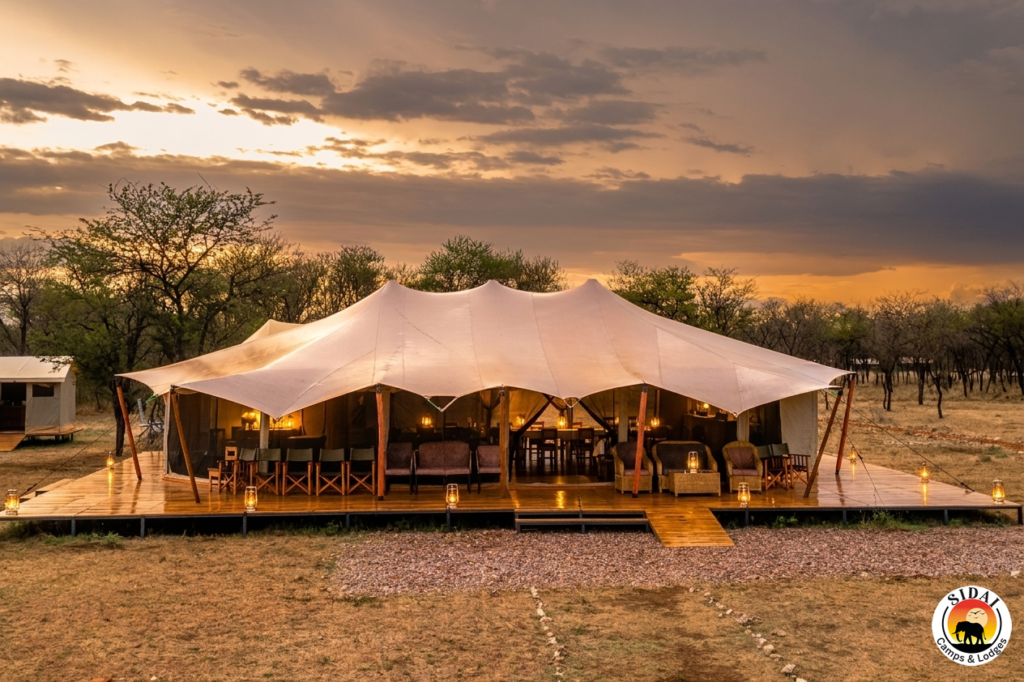
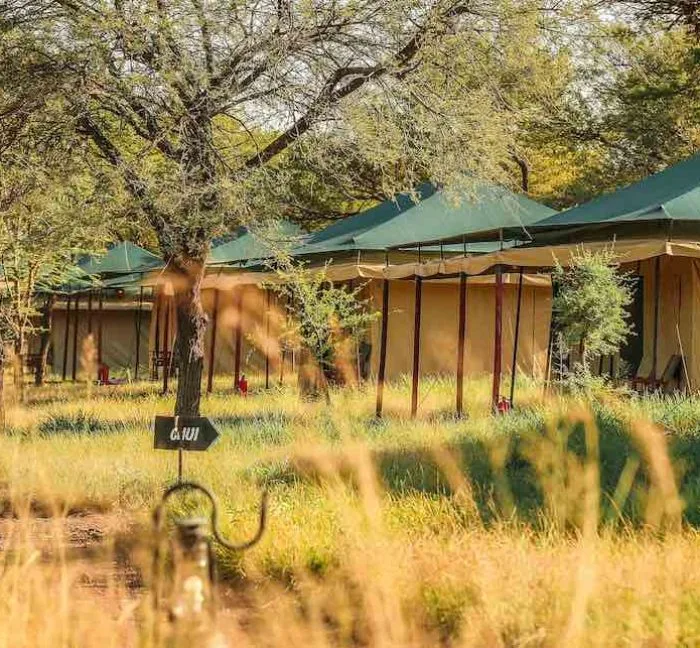
Mobile tented camps that move with wildlife patterns are particularly effective during migration seasons. Permanent lodges inside national parks also provide early access to prime photography locations.

When deciding where to stay in Tanzania for safari, proximity to wildlife should always be the top priority.

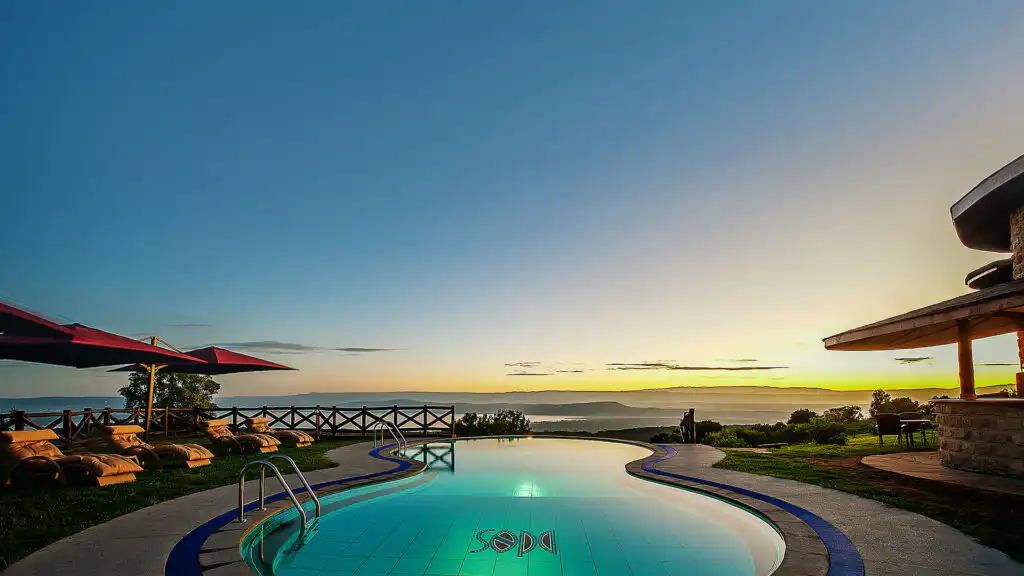
Camp Bastian - Mikumi SafariStandard Comfort
Mikumi National Park

Camp Bastian Mikumi

Camp Bastian Mikumi is a welcoming family-owned safari camp located just outside Mikumi National Park. Surrounded by nature, it offers a peaceful

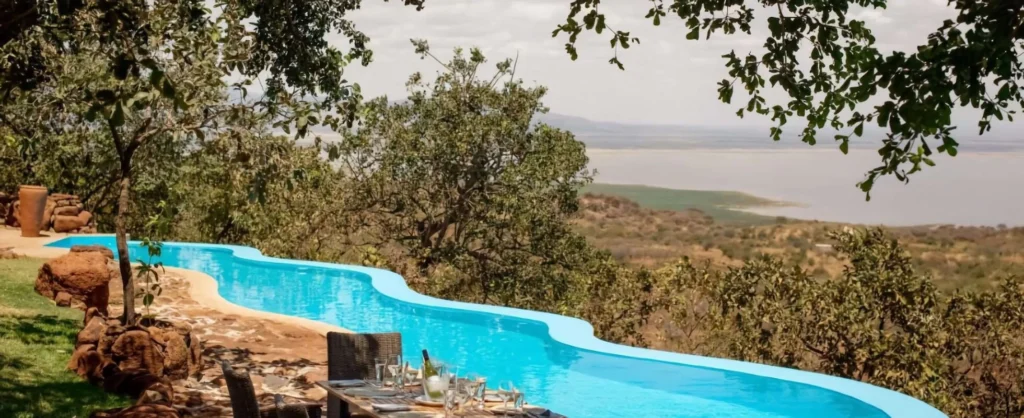
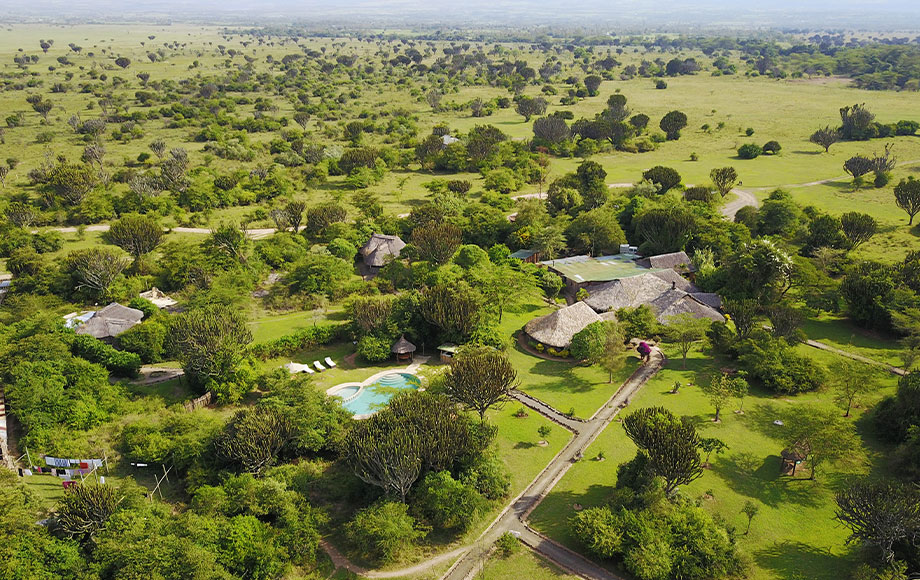
Embalakai Authentic Camp - SerengetiMid Range
Central Serengeti National Park

Embalakai Authentic Camp

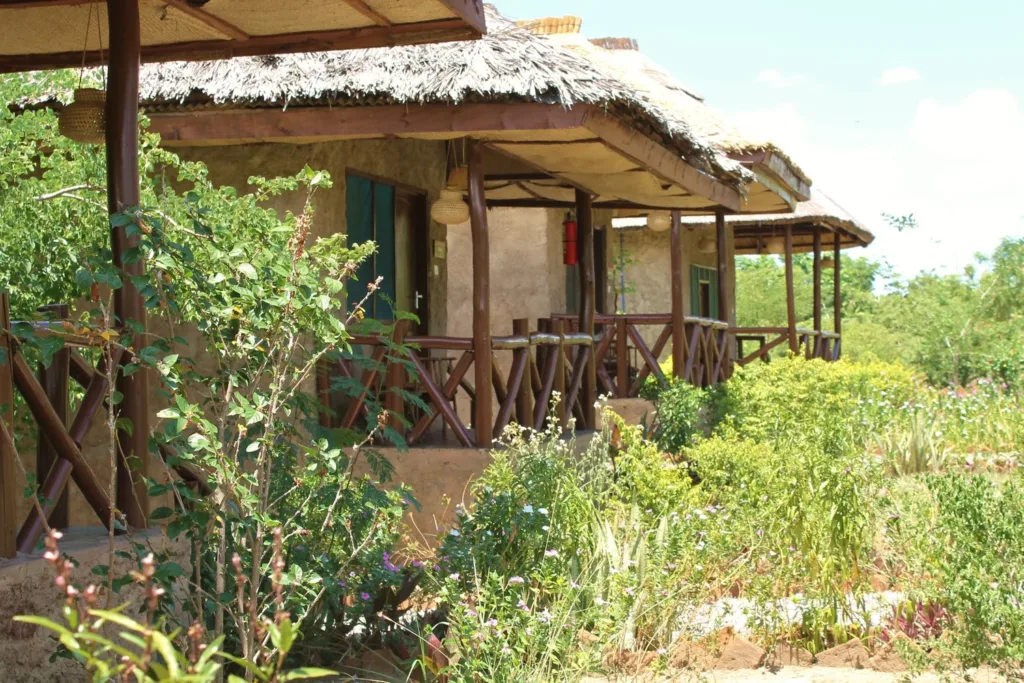
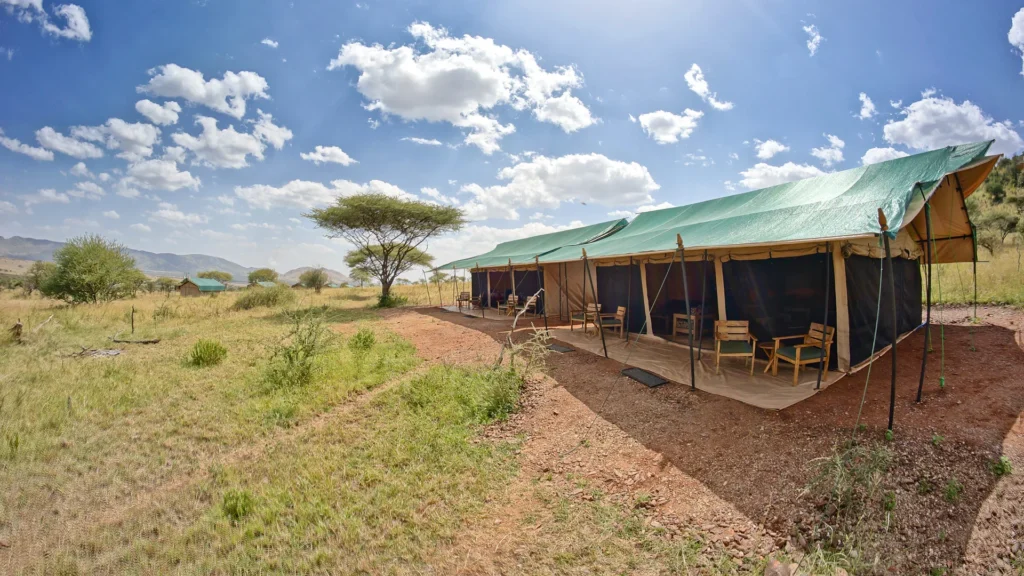
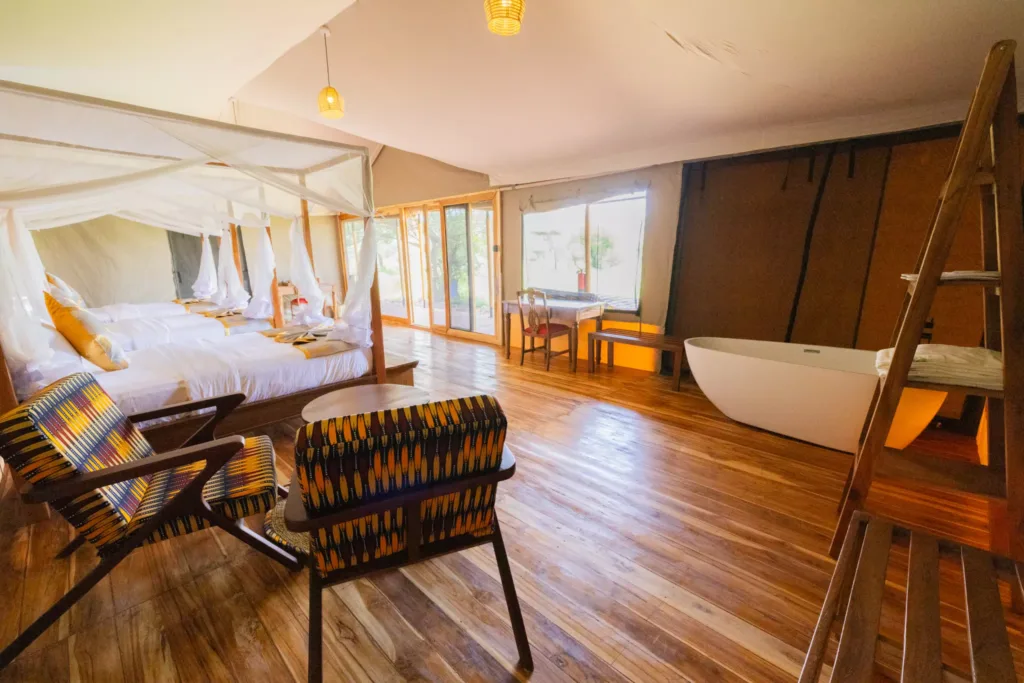
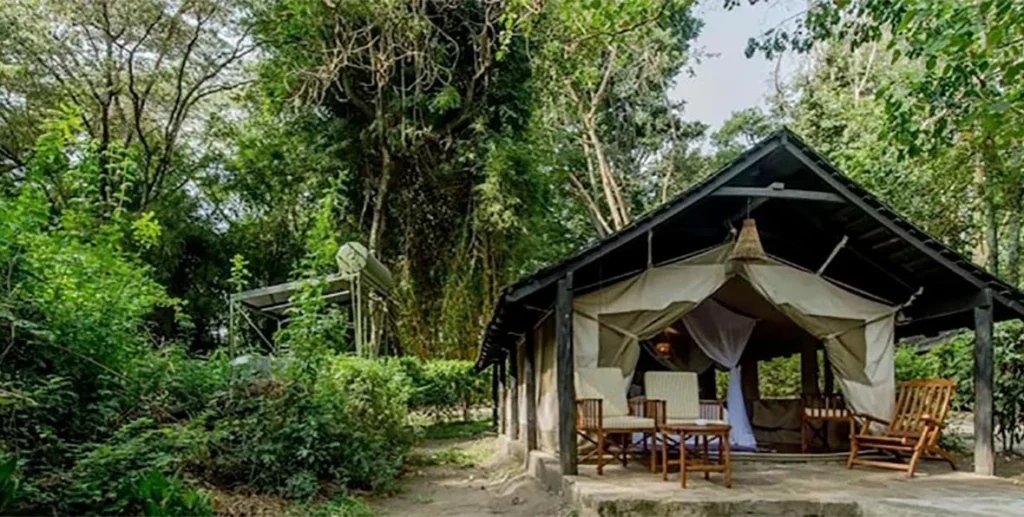
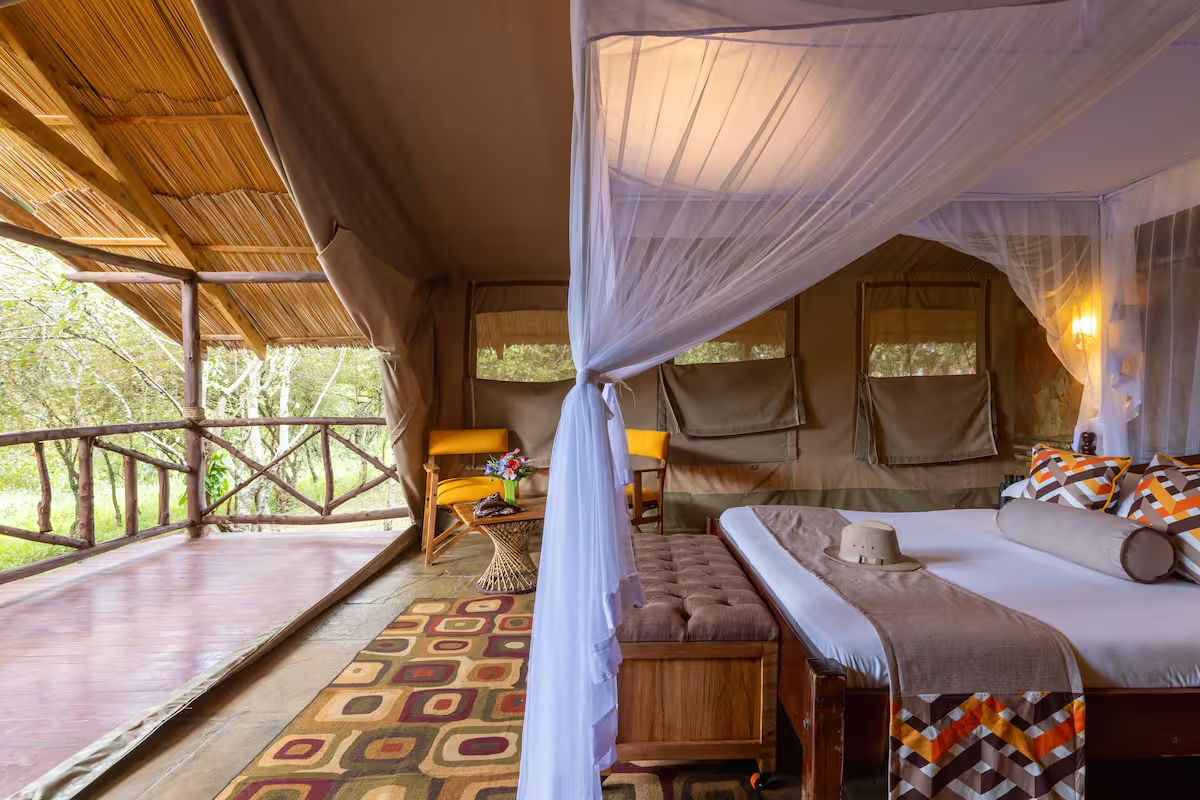
Embalakai Authentic Camp is a comfortable tented safari camp located in the Banagi area of Central Serengeti. It offers an authentic wilderness

Photography Safari Vehicle Setup

Vehicles used on a Tanzania photography safari are designed to meet photographers’ needs. Open roofs, spacious seating, and camera supports allow for stable shooting positions and easy movement.

This specialized setup makes a significant difference in image quality, especially when photographing fast-moving wildlife or shooting in low light.

African Photography Safaris – Why Tanzania Stands Out

Among all African photography safaris, Tanzania consistently delivers the most balanced experience. Its combination of wildlife density, scenic diversity, and well-managed parks provides reliable photographic opportunities throughout the year.

Compared to other destinations, Tanzania offers larger ecosystems, fewer crowds in certain regions, and longer wildlife encounters—key advantages for serious photographers.

Tanzania Photo Safari Tours vs Masai Mara Photography Safari

While a Masai Mara photography safari is well known, Tanzania offers a more expansive and less congested experience. Tanzania’s parks are larger, allowing for more natural wildlife interactions and fewer vehicles around key sightings.

For photographers seeking extended time with subjects and varied landscapes, Tanzania often proves to be the stronger choice.

Guided by Professional Tanzania Photographers

Every Tanzania photography safari with Tanzania Safari Experience is led by guides who understand both wildlife behavior and photographic technique. These guides assist with positioning, lighting angles, and anticipating animal movements.

Having a knowledgeable guide dramatically improves the quality and consistency of your photographs.

Who Is a Tanzania Photography Safari For?

A Tanzania photography safari is suitable for photographers of all levels. Beginners gain hands-on learning in the field, while experienced photographers benefit from expert logistics and wildlife access.

It is also ideal for nature lovers who want to slow down and truly connect with Africa’s wild landscapes.

Looking for Tanzania Photographic Safari for your dates ?

Receive a free Tanzania safari quote straight to your email within 6 hours! Customize your preferences, and we’ll craft a unique experience just for you. Prices vary based on group size and accommodation choice.

We've got you covered

Our tours combine high-quality safari experiences with excellent value. The price provided clearly outlines what is included, such as accommodation, park fees, private safari transport, guide services, selected flights, and transfers listed in your itinerary.

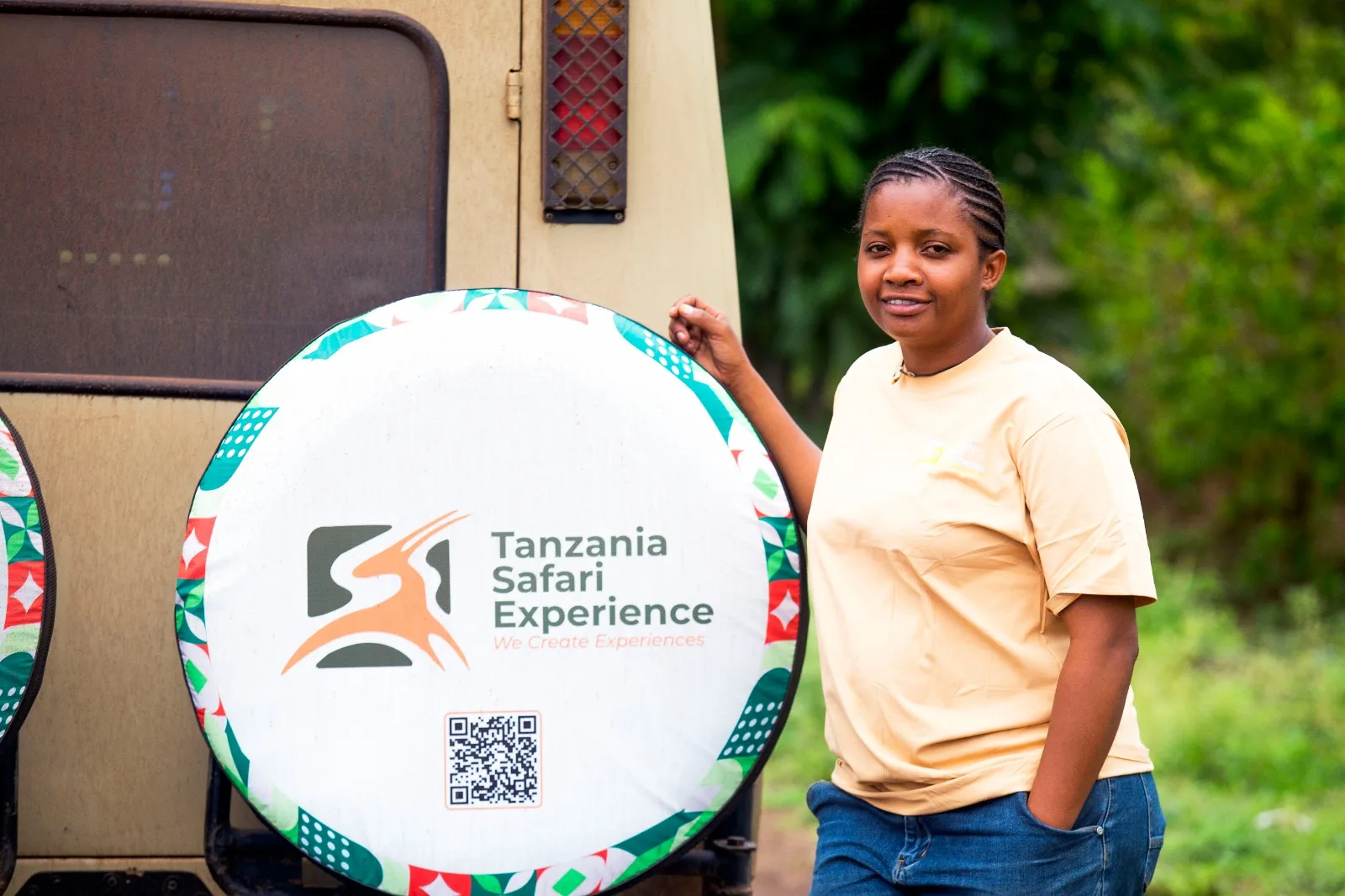
Tanzania Safari Specialist- Agness Boma

Connect with our local experts for personalized travel planning

Plan your Tanzania Photographic Safari today

Request a Program
Response within 24 hours
No obligations

Tanzania Photographic Safari TripAdvisor Reviews

SEE WHAT OUR GUESTS HAVE TO SAY ABOUT THEIR TANZANIA SAFARI EXPERIENCE.

*For the most recent reviews/testimonials from our guests, please visit our TripAdvisor page and Trustpilot.

Tripadvisorreviews
See all
5
Excellent · 4 reviews
Travellers’ Choice
  • mattropolis
    mattropolis
    July 31, 2026

    Great Tanzanian vacation

    We toured with Tanzania Safari Experience for an eight day trip to Tanzania. Five days of safari and then three days of beach vacation in Zanzibar. They were great to work with and customized everything exactly the way we wanted it. The lodges we were booked in were all incredible, particularly the Lahia Tented Lodge in the Serengeti. Our driver, Jay, seemed to know every road in every national park and as a result the wildlife viewing was unparalleled. There were times where we were the only vehicle seeing lions or hippos. The owner, Laurent, was extremely responsive and any issues we had in-country with our logistics were immediately sorted by him. He genuinely wanted us to have a first-rate experience. The only thing we were unprepared for is that some of the days in the safari vehicle were very long (10+ hours) and the roads can be really rough. But there were plenty of cold drinks in the car and it was worth it to see the wildlife. The safari/beach split was a great way to do the vacation and the beaches of Zanzibar were beautiful with clear blue water.

    Family · July 31, 2026
    Read more
  • nicolykiardopoul2018
    nicolykiardopoul2018
    June 2, 2026

    Safari May 2026

    This company exceeded everything we’d hoped for. From the start, the tour operator had everything covered — a detailed itinerary laid out well in advance, quick responses to any questions, and a genuine attentiveness that made the whole thing feel effortless. The accommodation was seriously impressive. Not what I was expecting at all — comfortable, well-appointed, and luxurious. We also spent time right in the heart of the bush. A proper treat. The two people who really made this trip were our guide Mariki and photographer Agnes. Mariki’s knowledge of the bush and animal behaviour is something else — he always seemed to know exactly where to go, and his instincts paid off every single time. Agnes has a brilliant eye and captured shots we could never have got ourselves. As for the wildlife — we saw far more than we ever imagined we would. Elephants, lions, leopard, buffalo, giraffe, zebra, hippos — the lot. As a first safari, I couldn’t have asked for more. Would recommend without hesitation.

    Friends getaway · June 2, 2026
    Read more
  • 370godsong
    370godsong
    January 3, 2026

    Great Experience with Tanzania Safari Experience

    We had an amazing safari with Tanzania Safari Experience, and honestly the whole trip was put together really well by Laurent and his team. From our first message to the last day, they were easy to reach, quick to reply, and clear about everything. The plan made sense, the timing was smooth, and we didn’t have to stress about anything. Uncle J was a big part of what made it special. He knows the parks incredibly well and seems to notice things before anyone else. He’d position the vehicle perfectly for photos and often got us to sightings before the crowds built up. We were lucky to see [your highlights: migration / lions / cheetahs / elephants / a crossing], and every drive felt exciting and different. The vehicle was comfortable and in good shape, and everything ran on schedule. If you’re looking for a well-organized safari with a great guide, I’d definitely recommend Tanzania Safari Experience.

    Solo travel · January 3, 2026
    Read more

Everything You Need to Know About Your Safari

Planning a Tanzania safari often comes with important questions, from choosing the right travel season to understanding what to pack, where to stay, and what to expect each day. We have answered the questions travelers ask most often before booking, helping you prepare properly and plan your safari with confidence.

A Tanzania photography safari is a specialized safari experience designed specifically for photographers. Unlike standard safaris, these tours focus on giving you ample time with wildlife, positioning vehicles for the best shots, and providing expert guidance to capture natural behavior and dramatic landscapes. The goal is to create memorable, professional-quality images rather than just sightseeing.

The cost of a Tanzania photography safari depends on several factors, including the duration of the safari, level of accommodation, private or group arrangements, and the parks included in the itinerary. Mid-range options typically cost between USD 450–650 per person per day, while luxury safaris can exceed USD 1,000 per person per day. Most packages include park fees, accommodation, meals, guiding, and transport, making budgeting straightforward.
The best time for a photography safari depends on the type of images you want to capture. The dry season (June–October) offers excellent wildlife visibility and predictable light, ideal for photographing big cats and action scenes. The green season (November–March) brings lush landscapes, fewer tourists, and dramatic skies, which are perfect for creative photography. Planning your safari around your photography goals ensures the best results.
No prior professional experience is required. Tanzania photography safaris are designed for all skill levels, from beginners wanting hands-on learning to experienced photographers looking to refine their portfolios. Guides provide advice on composition, lighting, and camera settings, allowing every participant to improve their skills while enjoying the safari.

Each photography safari is led by one Tanzania safari photography expert who focuses solely on helping you capture the best shots. This dedicated guidance ensures optimal positioning, understanding of animal behavior, and tips for adjusting to changing light conditions. Having a single expert per group maximizes your learning and photographic success.

Tanzania consistently ranks among the top destinations for African photography safaris due to its large protected parks, abundant wildlife, open landscapes, and fewer crowds in key areas. Compared to other popular safari destinations, Tanzania provides longer encounters with wildlife, diverse scenery, and ample opportunities to capture authentic moments in natural settings.

Yes, Tanzania is considered one of the safest safari destinations in Africa. National parks are well-managed, and guides are highly trained to ensure your safety. While in cities, it’s always best to take normal precautions, such as avoiding walking alone at night. Traveling with a trusted operator ensures a smooth and safe experience.

Absolutely. With Tanzania Safari Experience, your safari can include a personal photographer to capture your wildlife encounters, family moments, and scenic landscapes throughout your trip, ensuring you take home lasting memories.