Overview
Travelling to Africa in March
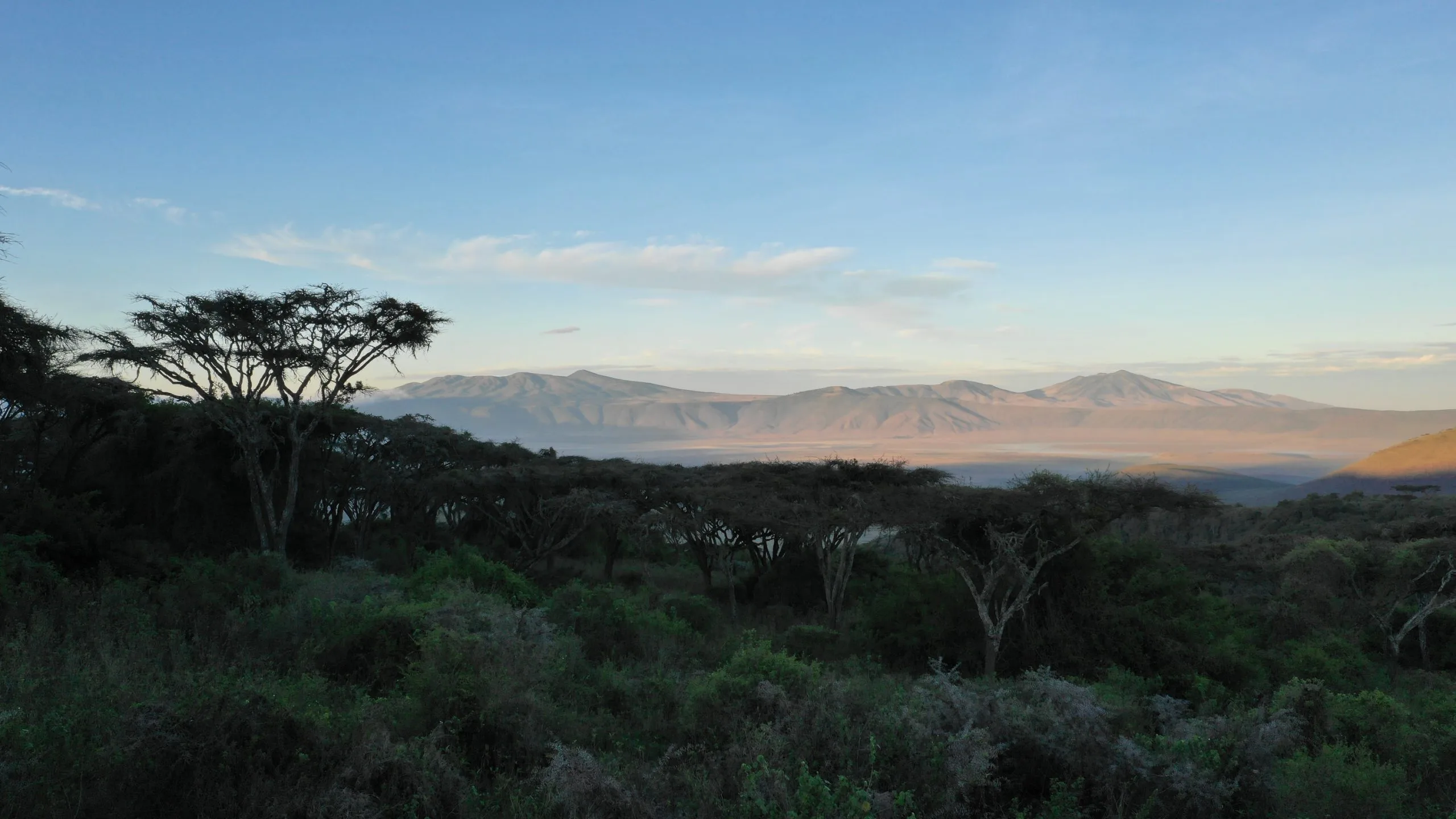
March is a month of transition in northern Tanzania. The first half often feels like a continuation of February, with sunshine between showers, while rain usually becomes more frequent towards the end of the month as the long rains approach. Landscapes are at their greenest, the air is clear after storms, and visitor numbers start to fall.
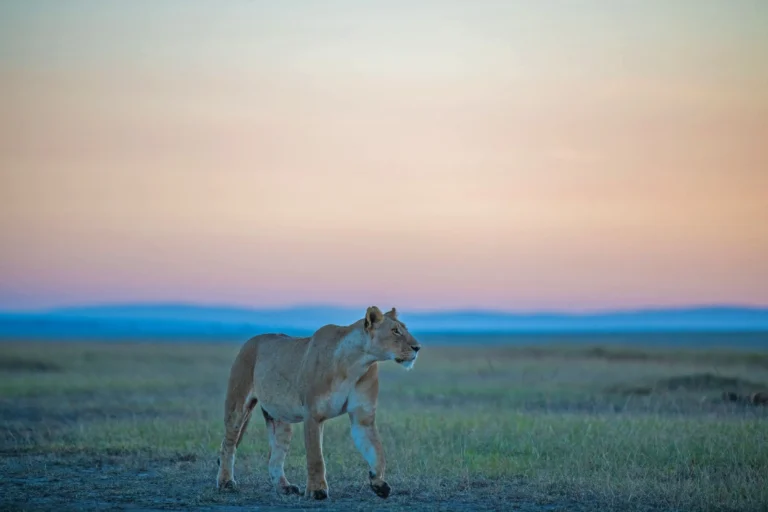
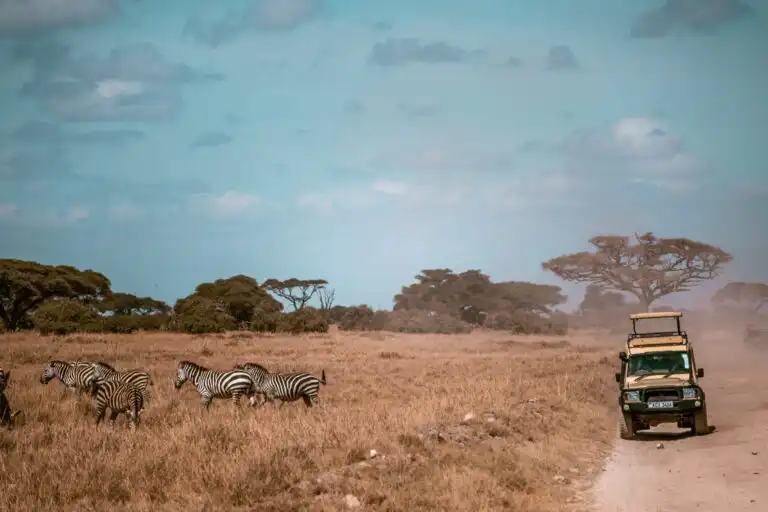
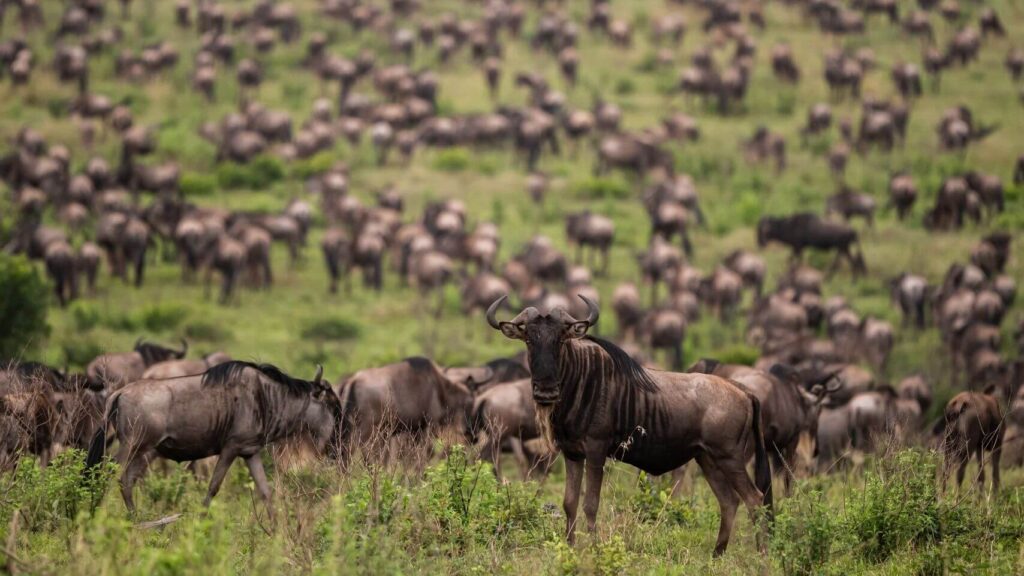
The migration herds are typically still on the southern and south-central Serengeti plains, with many young calves from the February peak. As the grazing begins to change, the herds start to drift north and west, so their position can vary more than in January or February. A guide who follows daily reports matters this month.
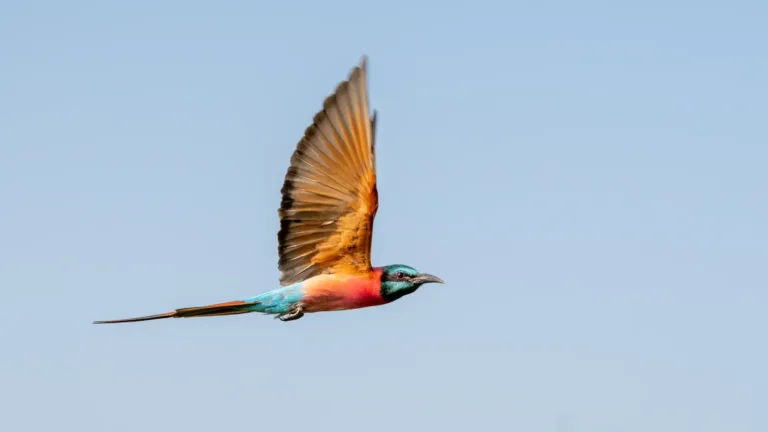
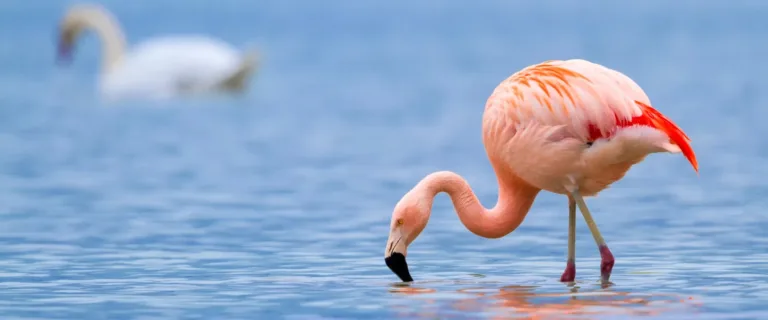
Birdlife is outstanding. Migrant species are still present before they leave in about April, and many resident birds are in breeding plumage. Lake Manyara, Tarangire and the Serengeti woodlands are especially rewarding for birders and photographers.
Many lodges begin to lower their rates during March, usually from the middle or the end of the month, although dates differ from property to property. The difference between early and late March can be significant in both weather and price.
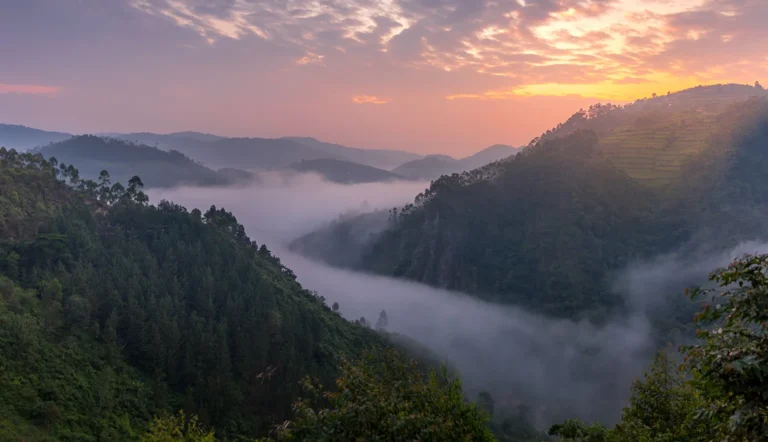
Roads can become muddy, especially on black-cotton soils, and some southern Serengeti seasonal camps close or move as the month ends. March suits flexible travellers, photographers, birders and anyone looking for green-season value with good wildlife. Gorilla trekking remains possible in Uganda and Rwanda, but expect wetter forest trails.