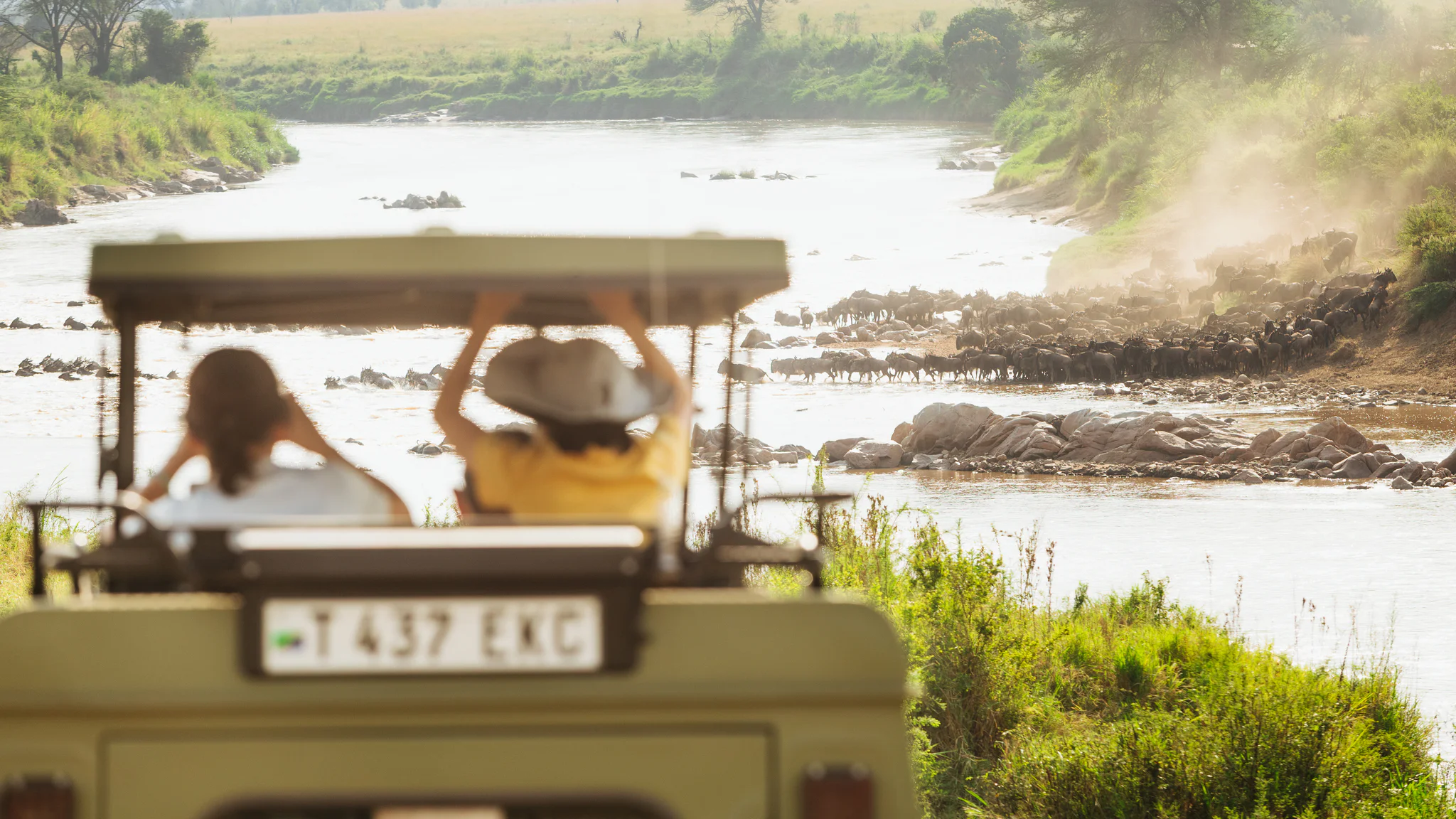
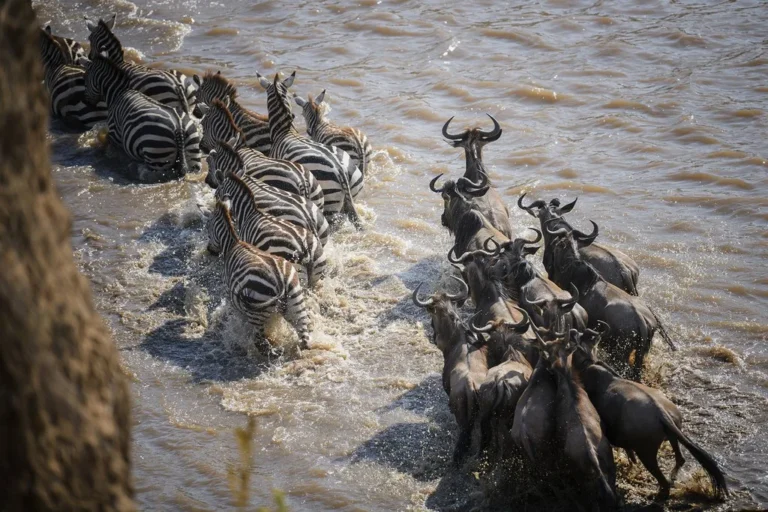
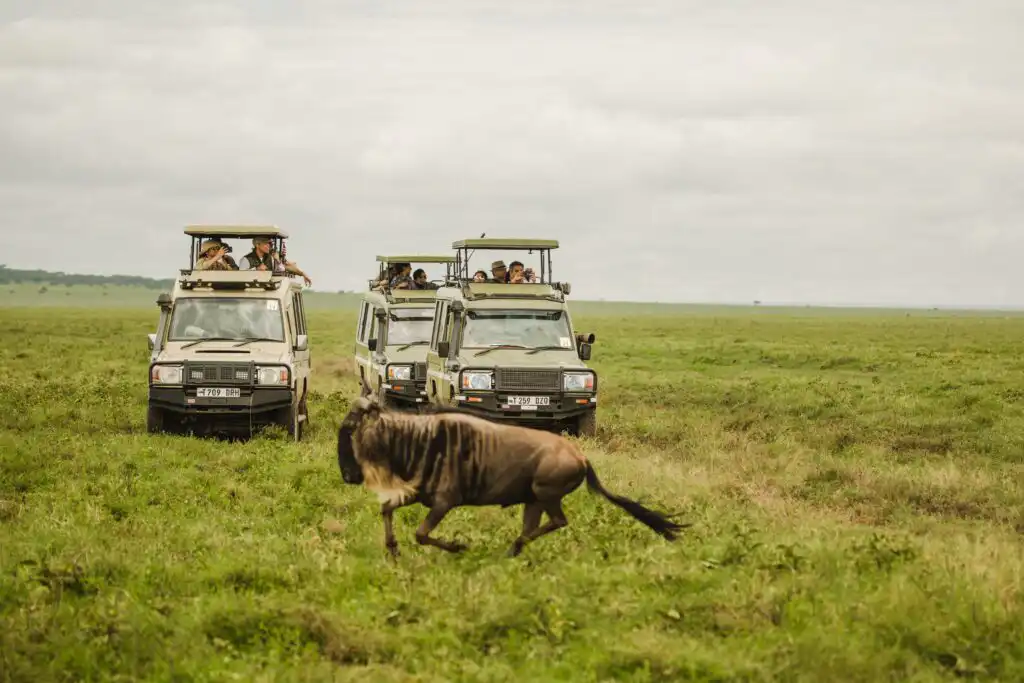
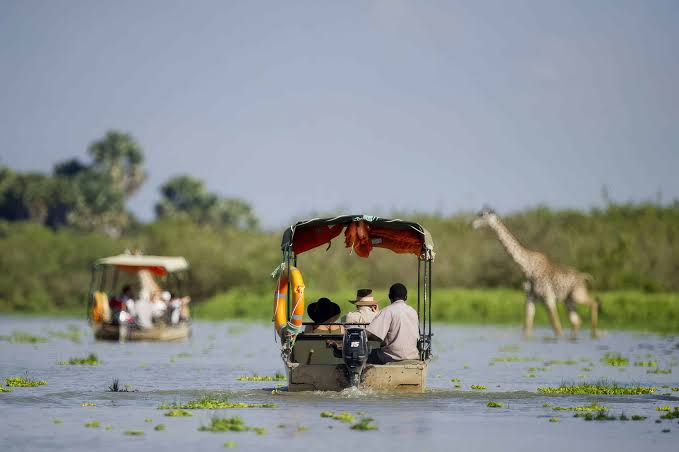
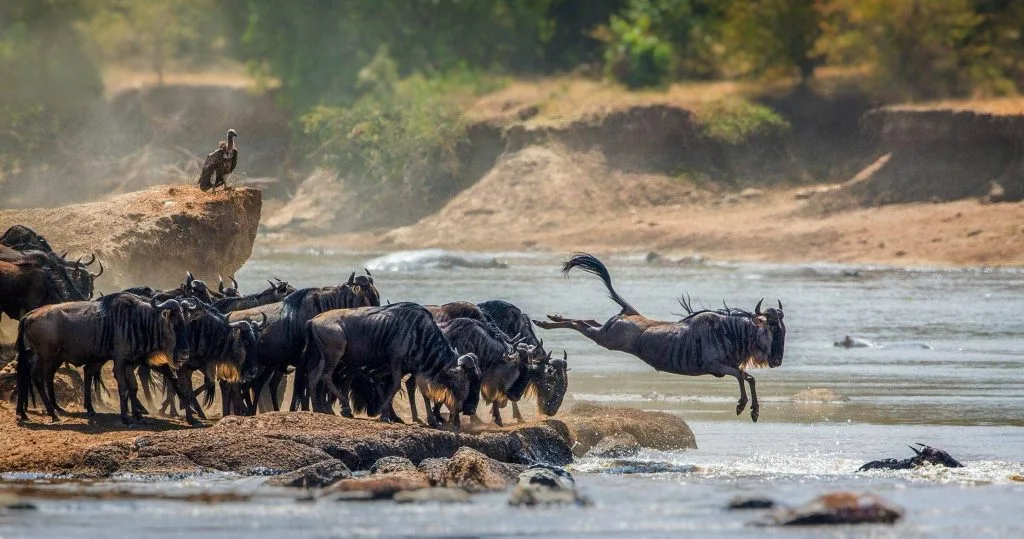
Safari vehicle watching wildebeest crossing a river in the northern Serengeti

Travel by Month

July: Northern Serengeti Migration

Mara River crossings begin · Dry-season wildlife · Peak season

  • Season Dry season
  • Crowds High
  • Prices Peak season

Plan a July safari Read the guide

Overview

Travelling to Africa in July

July is one of the most popular safari months in East Africa. The dry season is well established in northern Tanzania, skies are mostly clear, vegetation is thin and wildlife concentrates around rivers and permanent water. Mornings are cool and days are warm.

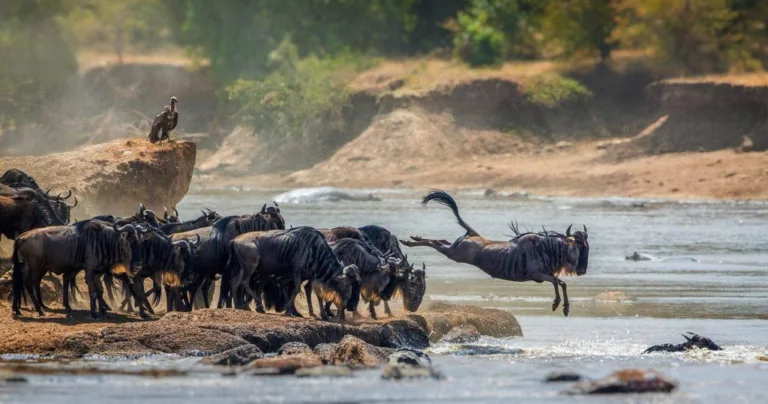
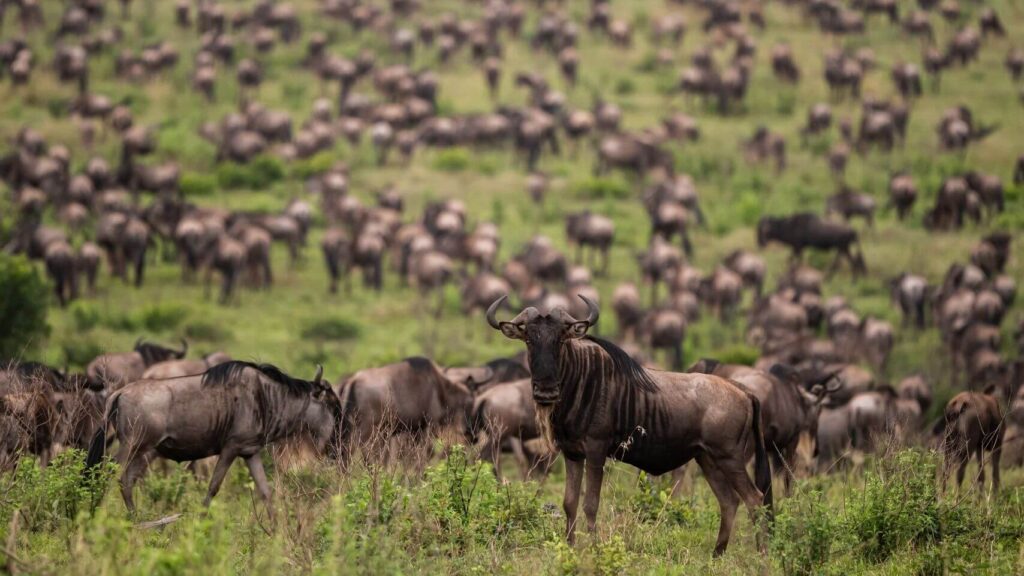
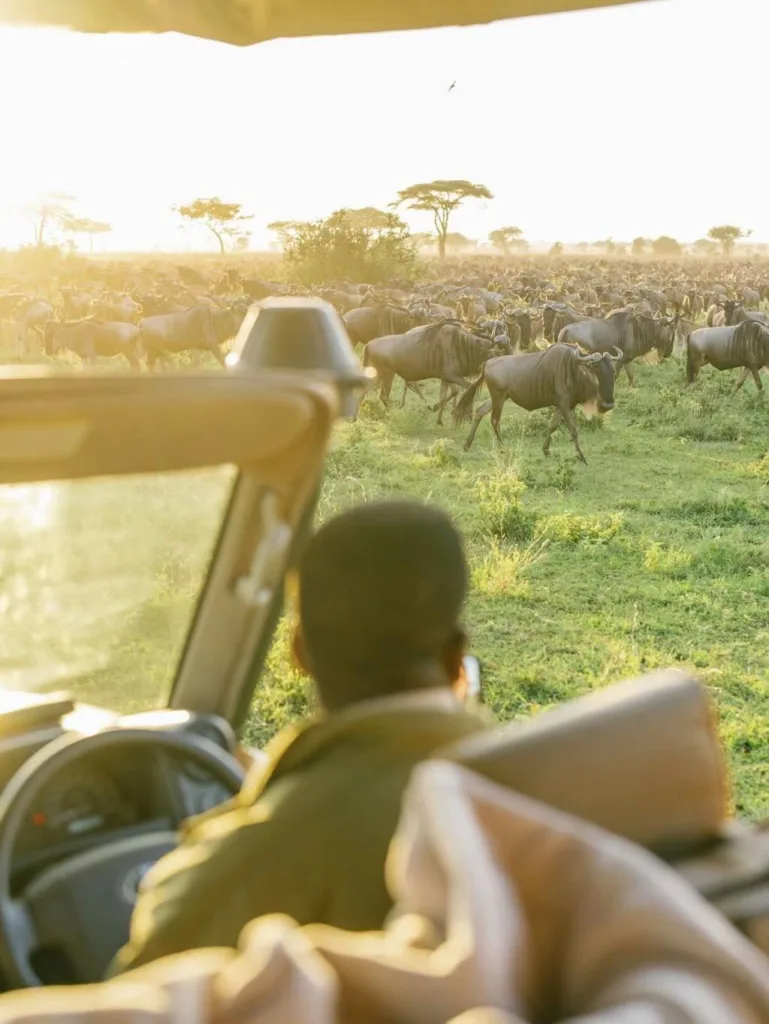
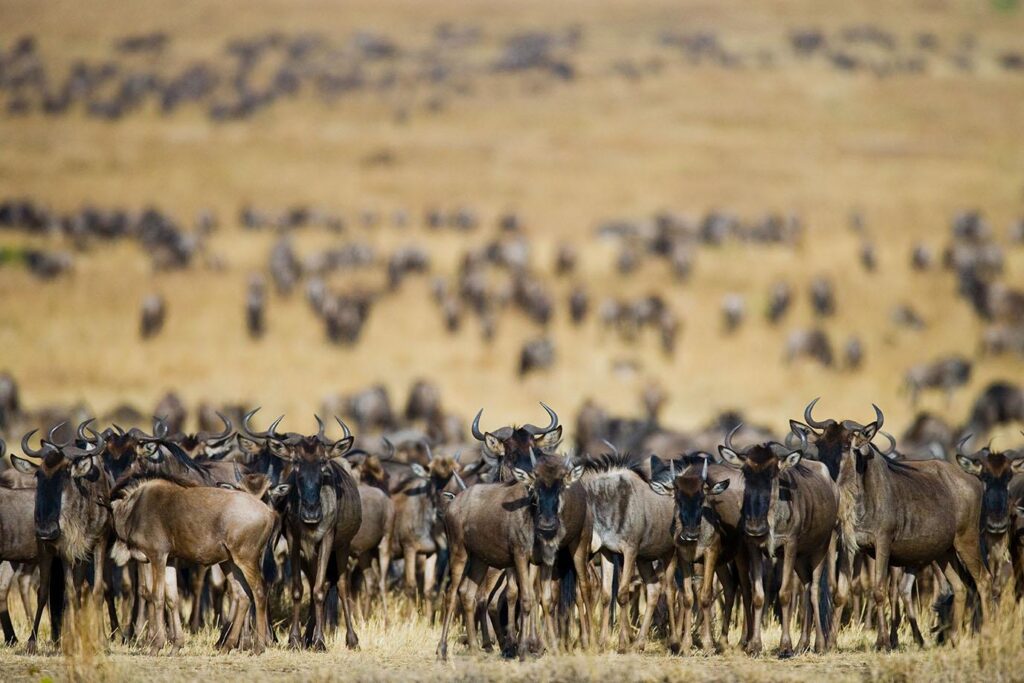
By July many migration herds have usually moved through the western corridor and arrived in the northern Serengeti, close to the Mara River. Crossings of the Mara can begin this month, especially in the second half, as herds move between the Serengeti and Kenya's Maasai Mara. The timing varies from year to year and from day to day, and a crossing can happen in minutes after hours of waiting.

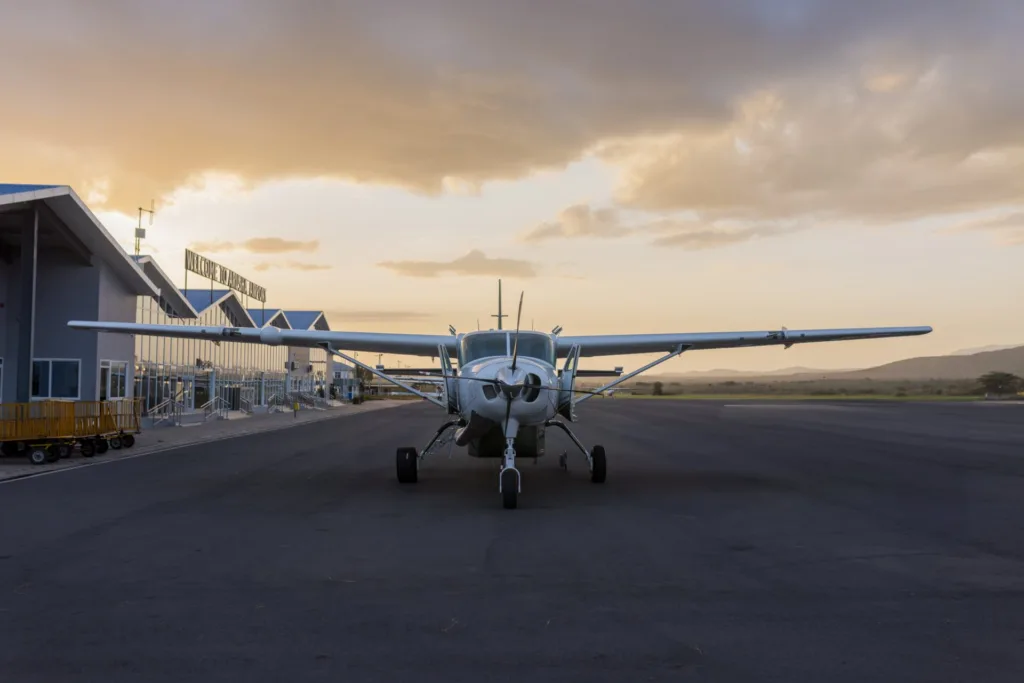
Kogatende and Lamai, on either side of the Mara River in Tanzania, are the main bases for migration-focused itineraries. They are remote, with fewer vehicles than the Kenyan side, and are usually reached by scheduled flight.

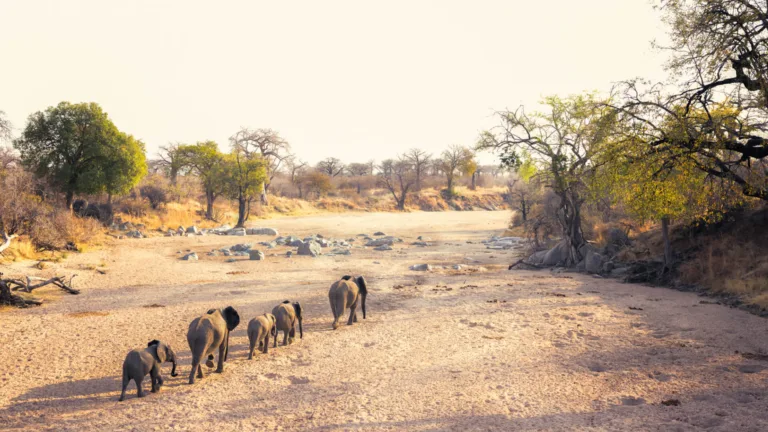
Away from the herds, Tarangire's elephant concentrations are building, Ngorongoro Crater is excellent, and southern Tanzania's Ruaha and Nyerere offer dry-season wildlife with far fewer visitors.

July is peak season, so prices are at their highest and the best-located camps fill early. It suits travellers who want the migration and classic dry-season game viewing, and families travelling in the school holidays.


Climate

Weather Across Africa in July

Long-term monthly averages for safari areas and islands. Weather in any single year can differ.

  • Serengeti (Seronera)Tanzania

    20°C

    Low 13°High 28°

    9 mmDry

    Rain on about 2 days

    About Serengeti (Seronera)
  • NdutuTanzania

    19°C

    Low 12°High 27°

    5 mmDry

    Rain on about 1 day

  • Ngorongoro Crater floorTanzania

    16°C

    Low 11°High 23°

    5 mmDry

    Rain on about 1 day

    Values are for the crater floor. Lodges on the rim (about 2,300 m) are several degrees colder, especially at night.

    About Ngorongoro Crater floor
  • TarangireTanzania

    20°C

    Low 14°High 28°

    4 mmDry

    Rain on about 1 day

    About Tarangire
  • Lake ManyaraTanzania

    22°C

    Low 16°High 29°

    3 mmDry

    Rain on about 0 day

    About Lake Manyara
  • ArushaTanzania

    18°C

    Low 12°High 25°

    10 mmDry

    Rain on about 3 days

  • Nyerere National ParkTanzania

    25°C

    Low 19°High 32°

    17 mmDry

    Rain on about 3 days

    About Nyerere National Park
  • Ruaha National ParkTanzania

    22°C

    Low 15°High 31°

    2 mmDry

    Rain on about 0 day

  • Mikumi National ParkTanzania

    21°C

    Low 16°High 27°

    18 mmDry

    Rain on about 3 days

    About Mikumi National Park
  • Moshi (Kilimanjaro gateway)Tanzania

    21°C

    Low 15°High 29°

    13 mmDry

    Rain on about 3 days

    Moshi lies at about 840 m. Conditions on Mount Kilimanjaro are very different: see the mountain note below the cards.

    About Moshi (Kilimanjaro gateway)
  • Maasai MaraKenya

    20°C

    Low 13°High 27°

    25 mmLow rain

    Rain on about 8 days

    About Maasai Mara
  • AmboseliKenya

    21°C

    Low 15°High 29°

    11 mmDry

    Rain on about 3 days

  • SamburuKenya

    24°C

    Low 18°High 31°

    48 mmLow rain

    Rain on about 15 days

  • Lake NakuruKenya

    18°C

    Low 13°High 24°

    74 mmLow rain

    Rain on about 21 days

  • Tsavo (Voi)Kenya

    21°C

    Low 17°High 28°

    21 mmDry

    Rain on about 6 days

    About Tsavo (Voi)
  • Bwindi (Buhoma)Uganda

    21°C

    Low 15°High 27°

    43 mmLow rain

    Rain on about 8 days

    Bwindi spans roughly 1,160–2,600 m; southern sectors such as Rushaga and Nkuringo are higher and cooler than Buhoma.

    About Bwindi (Buhoma)
  • Queen Elizabeth NP (Mweya)Uganda

    24°C

    Low 20°High 30°

    58 mmLow rain

    Rain on about 13 days

    About Queen Elizabeth NP (Mweya)
  • Murchison Falls (Paraa)Uganda

    26°C

    Low 21°High 30°

    118 mmSome rain

    Rain on about 21 days

    Northern Uganda has one long wet season (about April–October) rather than the two seasons of the south-west.

    About Murchison Falls (Paraa)
  • Kibale (Kanyanchu)Uganda

    21°C

    Low 16°High 28°

    67 mmLow rain

    Rain on about 15 days

    About Kibale (Kanyanchu)
  • Volcanoes NP (Kinigi)Rwanda

    15°C

    Low 10°High 20°

    38 mmLow rain

    Rain on about 7 days

    Gorilla treks climb well above the Kinigi park headquarters; expect cooler, wetter conditions on the slopes.

  • AkageraRwanda

    19°C

    Low 13°High 27°

    21 mmDry

    Rain on about 5 days

  • Nyungwe (Uwinka)Rwanda

    14°C

    Low 9°High 21°

    24 mmDry

    Rain on about 5 days

  • Zanzibar (Stone Town)Tanzania

    25°C

    Low 24°High 27°

    22 mmDry

    Rain on about 5 days

    About Zanzibar (Stone Town)
  • Pemba (Chake Chake)Tanzania

    25°C

    Low 25°High 26°

    28 mmLow rain

    Rain on about 7 days

  • Mafia Island (Utende)Tanzania

    25°C

    Low 25°High 26°

    26 mmLow rain

    Rain on about 4 days

  • Kruger (Skukuza)South Africa

    18°C

    Low 12°High 26°

    8 mmDry

    Rain on about 2 days

  • Okavango Delta (Maun)Botswana

    17°C

    Low 9°High 26°

    0 mmDry

    Rain on about 0 day

    Maun is the gateway town; the Delta floods peak in the dry months (about June–August) with water from the Angolan highlands, not from local rain.

  • Chobe (Kasane)Botswana

    18°C

    Low 10°High 27°

    0 mmDry

    Rain on about 0 day

  • Victoria FallsZimbabwe

    17°C

    Low 10°High 26°

    0 mmDry

    Rain on about 0 day

    The falls carry most water around April–May, after the rains; spray can hide the view at peak flow.

  • Etosha (Okaukuejo)Namibia

    17°C

    Low 9°High 27°

    0 mmDry

    Rain on about 0 day

About this climate data

Averages for 1991–2020 calculated from NASA POWER daily data (MERRA-2 temperatures and bias-corrected rainfall) for each location’s coordinates, checked on November 26, 2026. Temperatures are adjusted to each site’s elevation; a rainy day is a day with at least 1 mm of rain. Model data smooths local effects: mountain slopes, the coast and the islands can receive more rain than shown, and the number of rainy days can be overstated where light showers are common. Bars use the same scale for every location (temperature 0–40 °C, rainfall 0–300 mm). Rain labels: under 25 mm dry, 25–74 mm low rain, 75–149 mm some rain, 150–224 mm rainy, 225 mm or more very rainy.

Best time to go

What July Is Like

July is peak season: dry, clear weather, excellent game viewing everywhere and the first Mara River crossings in the northern Serengeti.

  • July Peak season

    Herds reach the northern Serengeti and crossings can begin, while dry-season game viewing is excellent across Tanzania.

    • Mara River
    • Big Five
    • Clear skies
    Wildlife
    Crowds
  • December – March Green season

    Calving season. Migration herds graze the southern Serengeti and Ndutu short-grass plains; most calves are born from late January to early March, with predators close by.

    • Calving
    • Predator action
    • Green plains
    Wildlife
    Crowds
  • April – May Low season

    Long rains. The wettest weeks of the year. Lush scenery and very few vehicles, but muddy tracks, some camp closures and less predictable game viewing.

    • Quiet parks
    • Lush scenery
    • Lowest rates
    Wildlife
    Crowds
  • November – December Shoulder season

    Short rains. Showers return and the plains turn green again. Migratory birds arrive and the herds start moving back towards the south.

    • Fresh greenery
    • Birding
    • Shoulder value
    Wildlife
    Crowds

Season cards describe northern Tanzania. Wildlife and crowd bars are our editorial assessment (1 to 5), not measurements.

Elsewhere in Africa in July

Kenya's Maasai Mara receives herds that have crossed from Tanzania. Uganda and Rwanda are in their dry season, ideal for gorillas and chimpanzees. Zanzibar is dry and breezy. In southern Africa it is the dry winter: the Okavango Delta floods are near their peak, and Botswana, Kruger and Namibia are in high season.

Seasons & prices

Safari Costs in July

Climate season
Dry season
Pricing season
Peak season
Crowd level
High
Wildlife viewing
Excellent
Availability
Limited – book early. Northern Serengeti camps near the Mara River are often fully booked well in advance
Booking advice
Book 9–12 months ahead for Kogatende and Lamai camps; 6 months for the rest of the circuit.

July is peak season at most northern Tanzania lodges, with the highest rates near the Mara River. Southern Tanzania can offer a similar dry-season experience with fewer visitors. All prices depend on actual lodge rates for your dates.

What affects the price of your safari

  • Accommodation Usually the largest seasonal variation. Each lodge and camp sets its own season dates and rates. In July: Peak-season rates, highest in the northern Serengeti.
  • National park fees Set by the park authorities (TANAPA, the Ngorongoro Conservation Area Authority, Kenya Wildlife Service and county reserves). They depend on the park, your residency and the tariff in force when you travel.
  • Safari vehicle Depends on the number of days, the route and the group size.
  • Professional guide Depends on the itinerary and any specialist guiding you request.
  • Domestic flights Scheduled bush flights vary with dates, routes and seat availability. In July: Flights to Kogatende and Lamai are in high demand.
  • Activities Balloon flights, walking safaris, boat trips and cultural visits are priced separately.
  • Gorilla trekking permits Charged at the official tariff of the Uganda Wildlife Authority or the Rwanda Development Board in force on the trekking date.

We do not publish estimated totals: every quotation is calculated from the actual rates and fees for your dates, group and route.

Request a Personalized Safari Quote
Relative accommodation price level, northern Tanzania Illustrative only – not a price. Actual rates depend on each lodge and your dates.
  1. Jan
  2. Feb
  3. Mar
  4. Apr
  5. May
  6. Jun
  7. Jul
  8. Aug
  9. Sep
  10. Oct
  11. Nov
  12. Dec

LowPeak

Reasons to go

Why Visit in July

  1. Mara River crossings

    Crossings can begin as herds reach the northern Serengeti.

  2. Classic dry season

    Thin vegetation and concentrated wildlife across every park.

  3. Tarangire elephants

    Large elephant herds gather along the Tarangire River.

  4. Gorilla trekking

    Dry-season trekking in Uganda and Rwanda.

Highlights

Wildlife Highlights in July

  • Mara River crossings

    Mara River crossings

    Herds gather at the river banks; crossings can happen suddenly.

  • Elephants at water

    Elephants at water

    Elephants concentrate along rivers in Tarangire and Ruaha.

  • Fly-in to Kogatende

    Fly-in to Kogatende

    Scheduled flights make the remote north easy to reach.

The Great Migration

The Migration in July

Northern Serengeti (Kogatende and Lamai)

The migration follows rain and grazing, so its timing and location change from year to year. Calving, river crossings and specific sightings cannot be guaranteed on any date.

About the Great Wildebeest Migration
Where the herds usually are
Northern Serengeti (Kogatende and Lamai)
Other possible areas
Western corridor early in the month; the Maasai Mara in Kenya later
Movement
Herds move north from the western corridor and gather near the Mara River.
Calving
No calving.
Predators
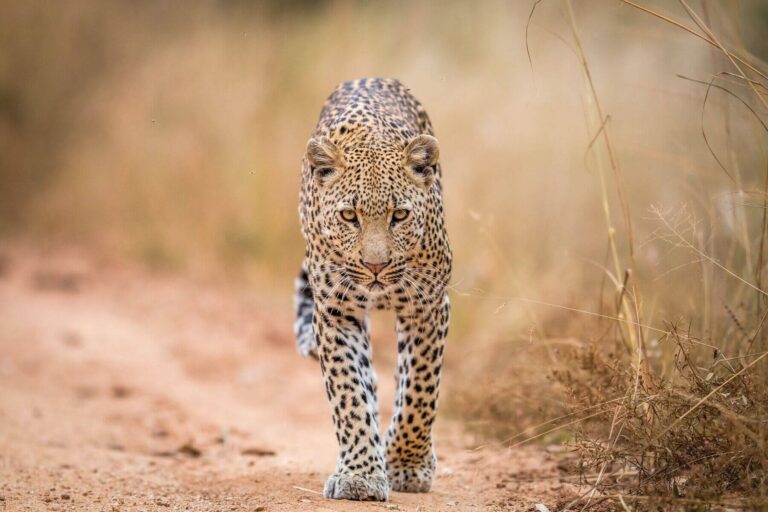
Crocodiles at the river; lions, leopards and hyenas around the herds.
River crossings
Mara River crossings can begin, more often in the second half of the month. Timing cannot be predicted or guaranteed.
Where to stay
Kogatende and Lamai (Tanzania), or the Maasai Mara (Kenya)
Suggested length
3–4 nights near the Mara River, ideally within an 8–10 day safari

Where to go

Best Destinations in July

View All Destinations

Curated journeys

Safaris for July

Published itineraries that suit travel in July. Every trip can be adjusted to your dates and budget.

Request a Personalized Safari Quote

Money matters

Plan Your Budget

Convert a budget between travellers’ currencies while you plan. This does not change the currency used elsewhere on the website.

Budget tool

Currency converter

Enable JavaScript to use the converter.

Indicative conversion using reference exchange rates that are refreshed periodically, not in real time. Your bank or card provider will use its own rate, and safari prices are always confirmed in your quotation.

Activities

What to Do in July

  • Wildlife game drives

    Peak dry-season conditions across the north and south.

    Excellent
  • Great Wildebeest Migration safaris

    Herds in the northern Serengeti; Mara crossings can begin.

    Excellent
  • Gorilla trekking

    Dry season in Uganda and Rwanda; book permits early.

    Excellent
  • Chimpanzee trekking

    Dry trails in Kibale and Nyungwe.

    Excellent
  • Kilimanjaro climbing

    Main dry climbing season; very cold summit nights.

    Excellent
  • Zanzibar beach holidays

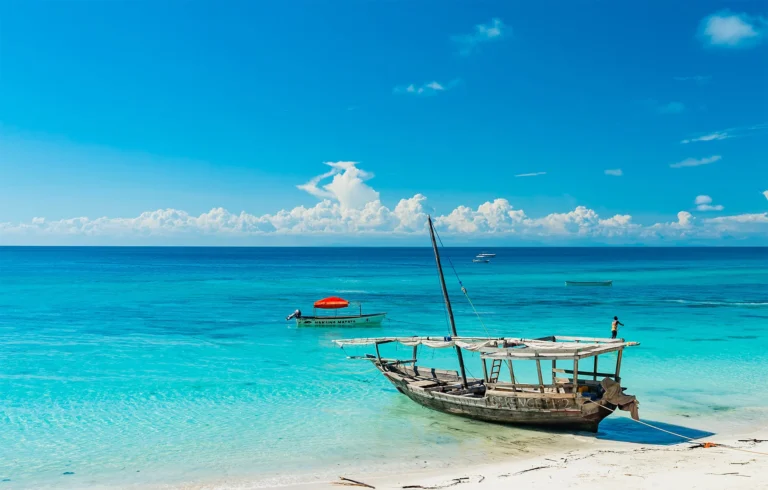
    Dry, breezy and comfortable.

    Excellent
  • Walking safaris

    Short grass makes walking safaris rewarding.

    Excellent
  • Balloon safaris

    Clear mornings across the Serengeti.

    Excellent
  • Birdwatching

    Resident birds; fewer species than in the green season.

    Good
  • Wildlife photography

    Golden light and concentrated wildlife.

    Excellent
  • Cultural experiences

    Comfortable weather for village visits.

    Very good
  • Boat safaris

    Nyerere boat safaris; Murchison Falls launches in Uganda.

    Excellent

Travel information

Practical Tips for July

What to pack in July

  • Warm jacket, hat and gloves for cold early drives
  • Light layers for warm afternoons
  • Neutral safari clothing
  • Sunglasses, hat and high-SPF sunscreen
  • Buff or scarf for dusty roads
  • Binoculars and a long lens for river crossings
  • Patience snacks and water for waiting at the river
  • Comfortable walking shoes
Road conditions
Dry and dusty; good access to all parks.
Flights
Scheduled flights to Kogatende and Lamai fill early; luggage limits on light aircraft are strict.
Busy sightings
Crossing points and Ngorongoro Crater can be busy; your guide times visits to avoid the crowds.
Temperatures
Cold mornings and evenings; warm, dry days.
Recommended length
8–10 days to include the northern Serengeti without long road transfers.
Travelling with children
School holidays make July popular with families; book family rooms early.
Questions

July Safari FAQs

Start Planning Your July Safari

Share your dates, group and interests. A safari specialist will reply with a tailored itinerary and a quotation based on real rates.

Request a Personalized Safari Quote